



 Donate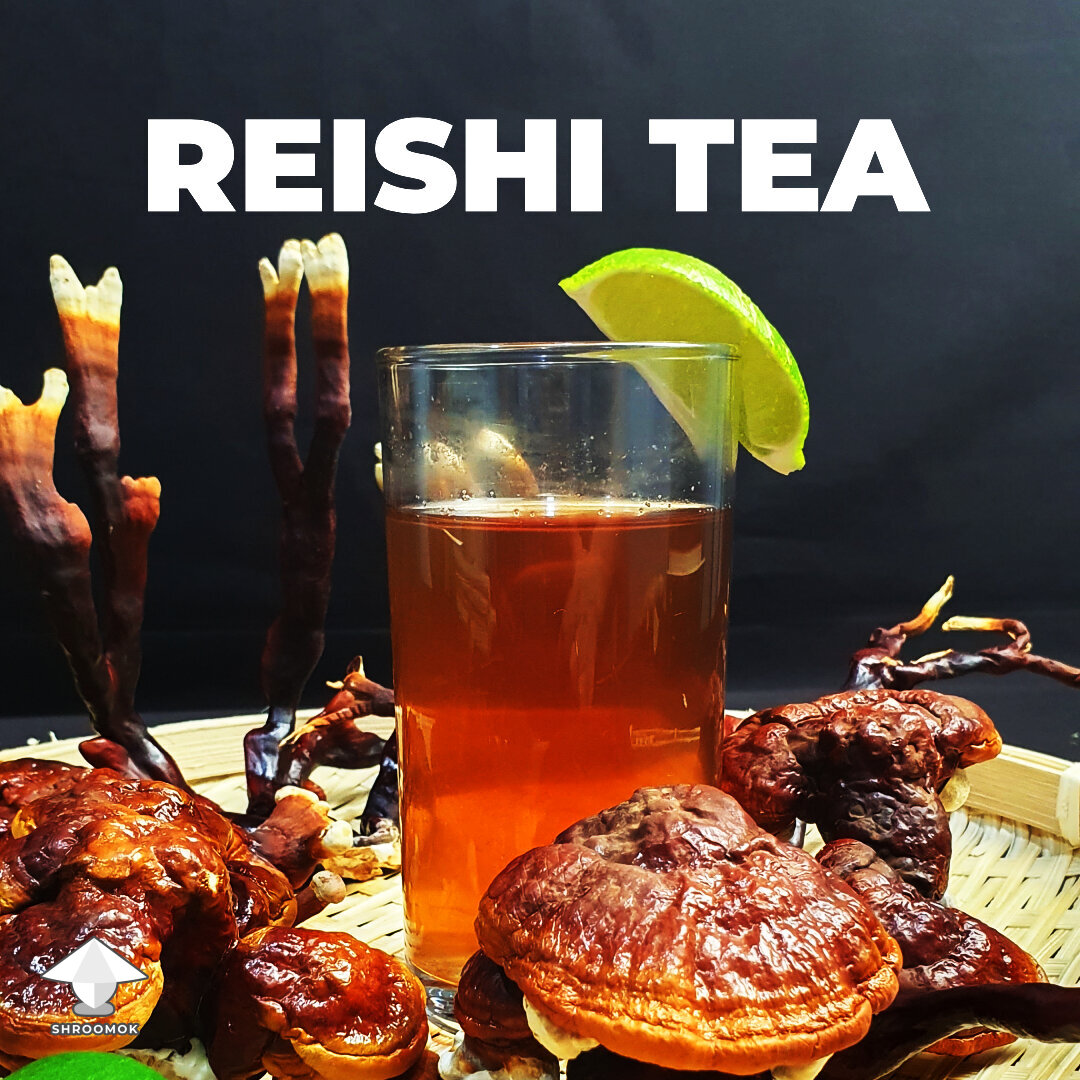
Reishi (Ganoderma) is an amazing medicinal mushroom. It has been well known for centuries in traditional medicine in Asian countries for promoting longevity, calmness, and overall well-being, earning it the nickname "Mushroom of Immortality".
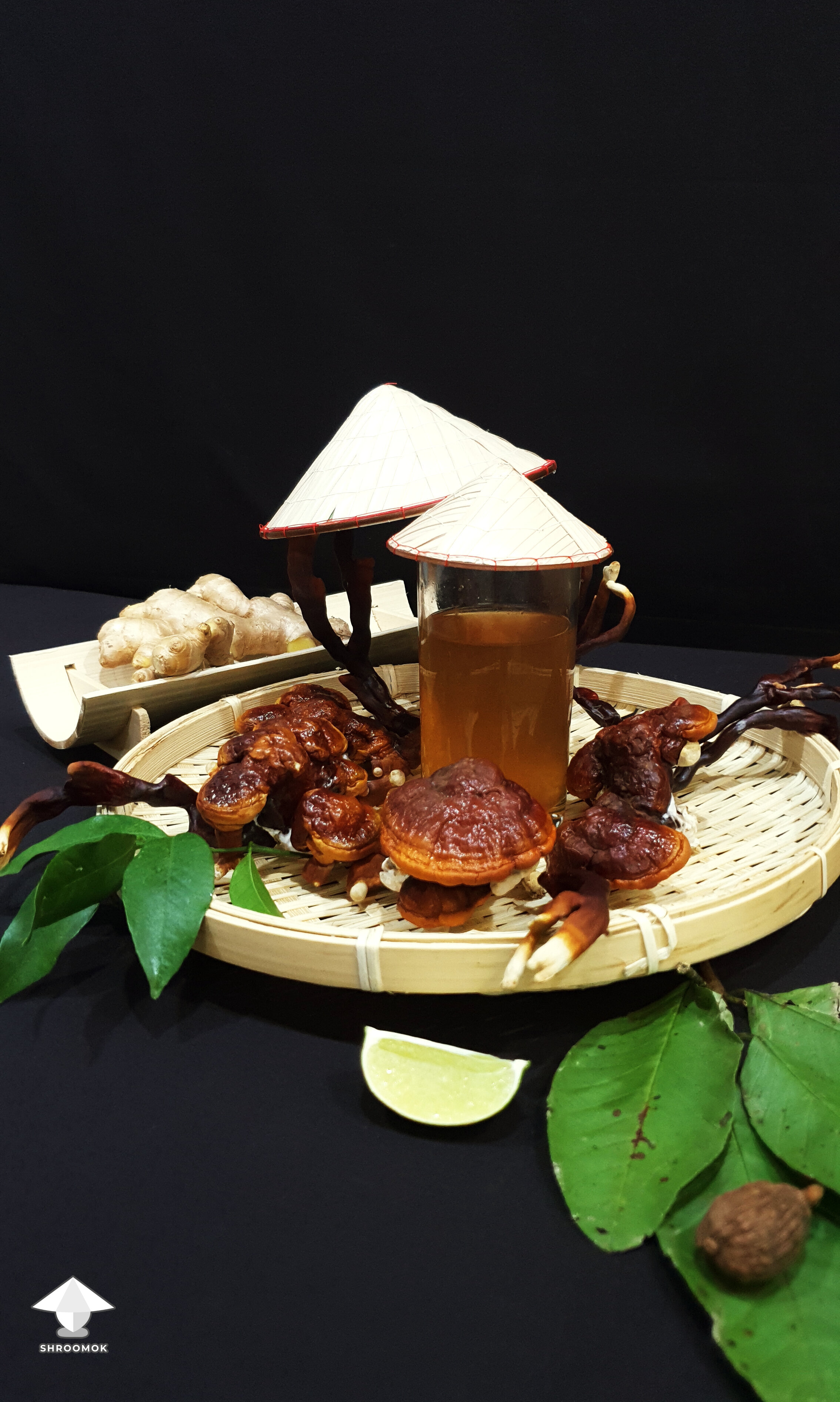
Researches over the past 20 years shows that Reishi contain more than 400 biologically active compounds that contribute to their health benefits: they regulate blood sugar levels, lower blood pressure, support the digestive, nervous, endocrine, immune, and cardiovascular systems, and have anti-inflammatory, fatigue-relieving effects and many more (references at the end of this write up).
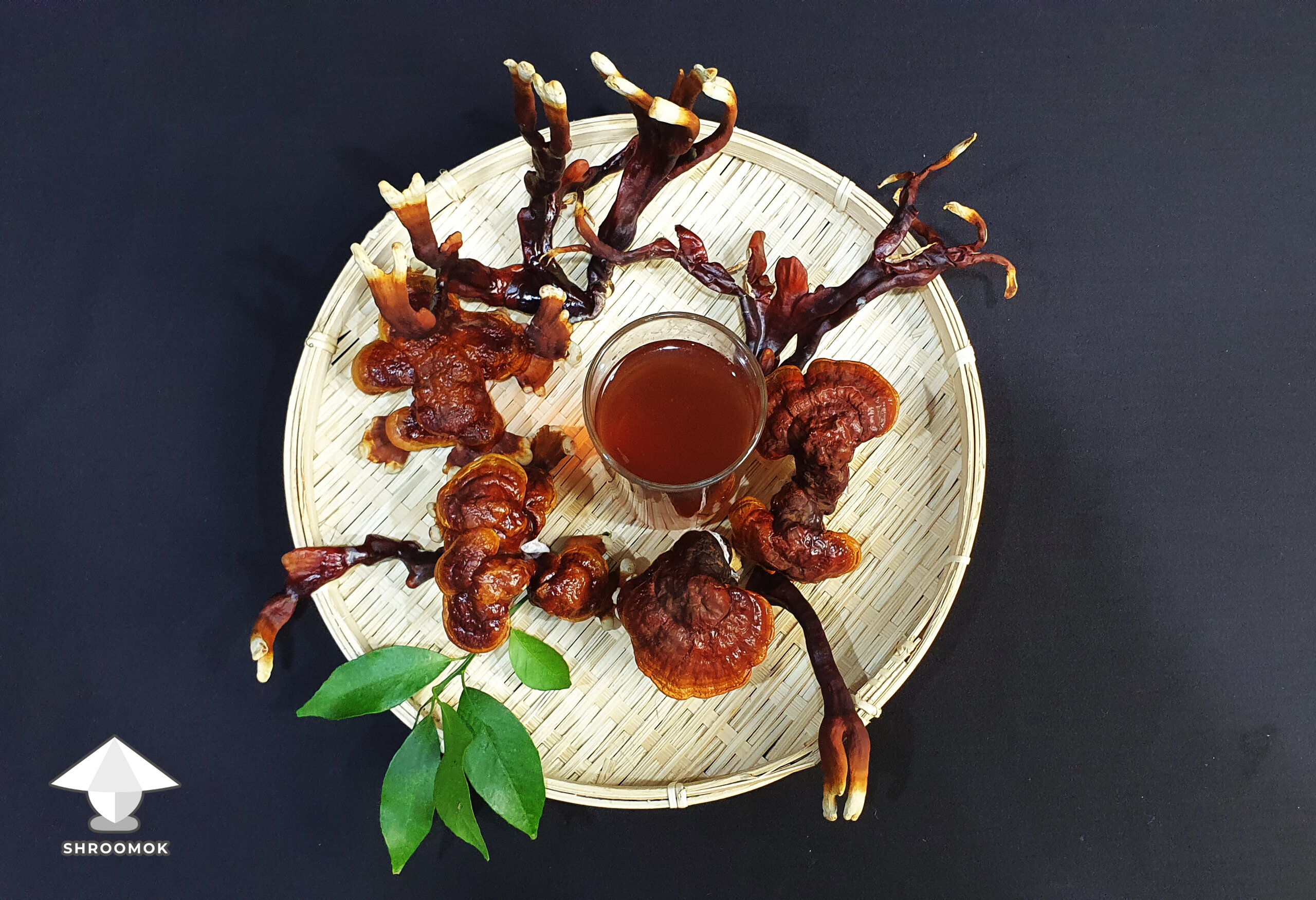
It's an absolutely safe and technically edible mushroom. But due to its tough woody texture and bitter taste, reishi are simply impossible to eat like shiitake or oyster mushrooms. That’s why the most common way to consume them is making tea.
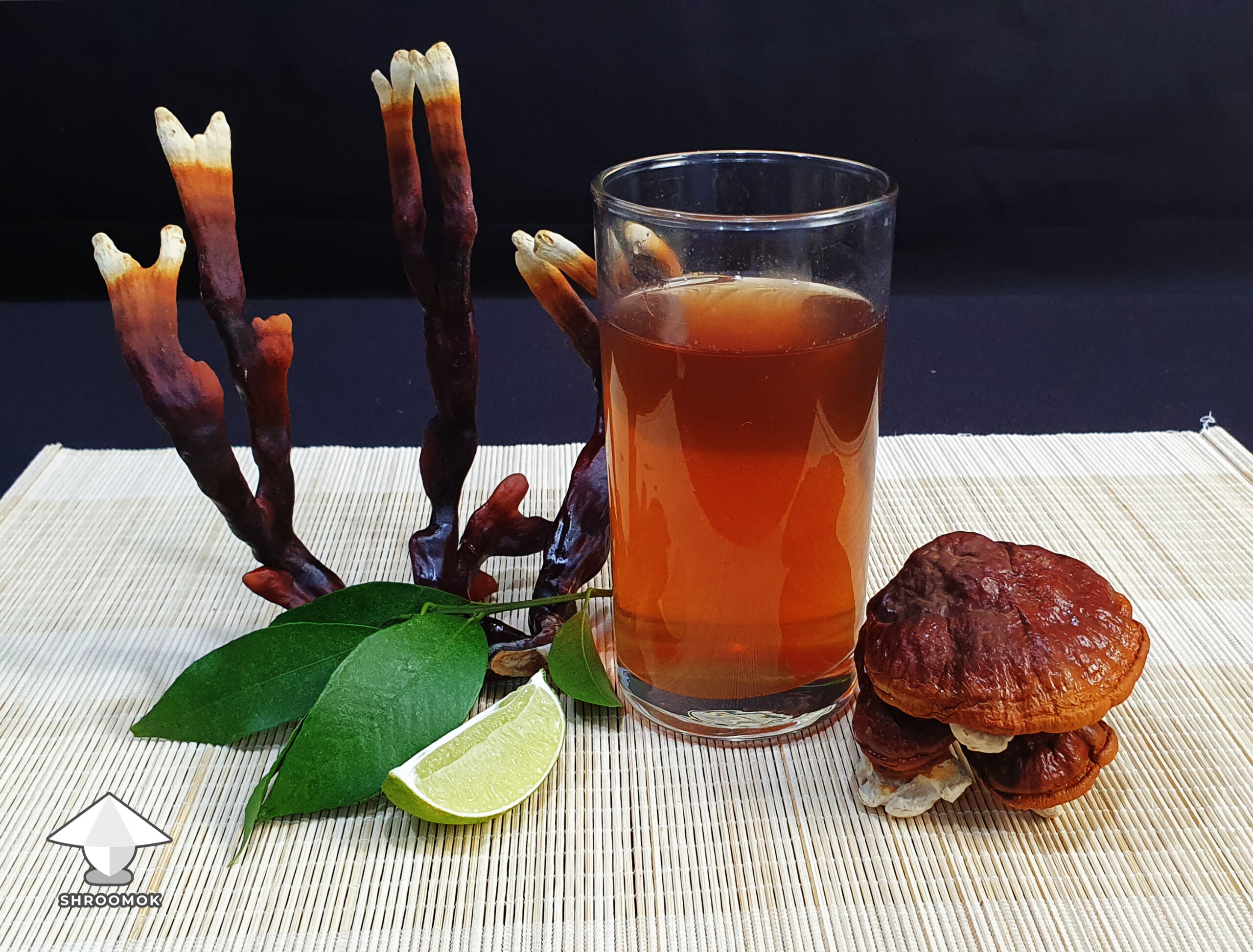
Tea is not an extract, thus it contains low doses of beneficial compounds, but it has a cumulative effect. It means you need to drink it for a few days or weeks to feel the effects.
How do I drink reishi tea and why
I drink it before and during periods of exacerbation of cold-related diseases to support my immune system.
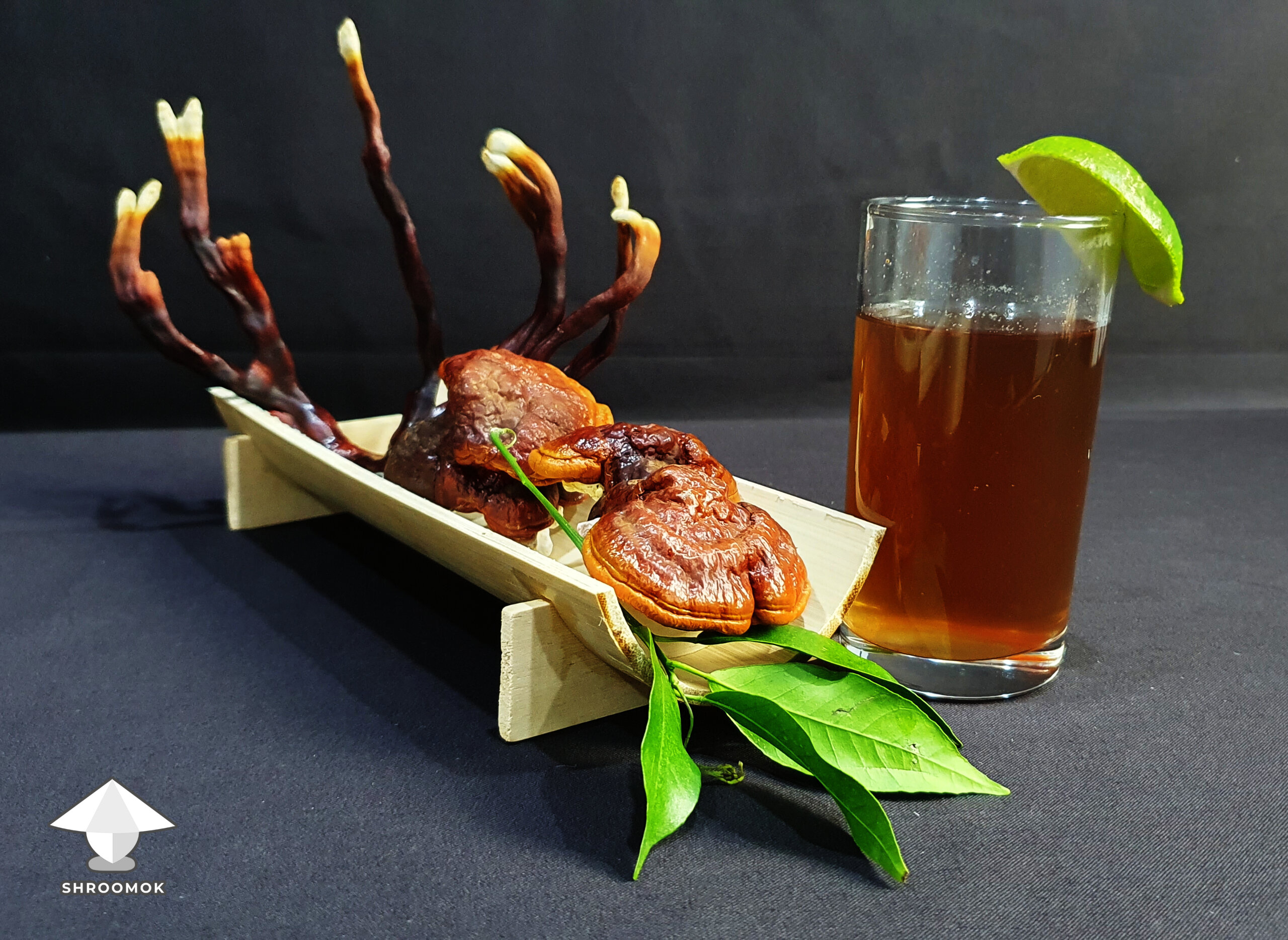
I also prefer to use it as an evening drink – 2-4 hours before sleep. It does not cause any drowsiness at all and you can drink it anytime, but it helps to calm down, relieve anxiety and stress (emotional and muscle tension after physical activity), regulate sleep-wake patterns, improving overall rest and sleep quality.
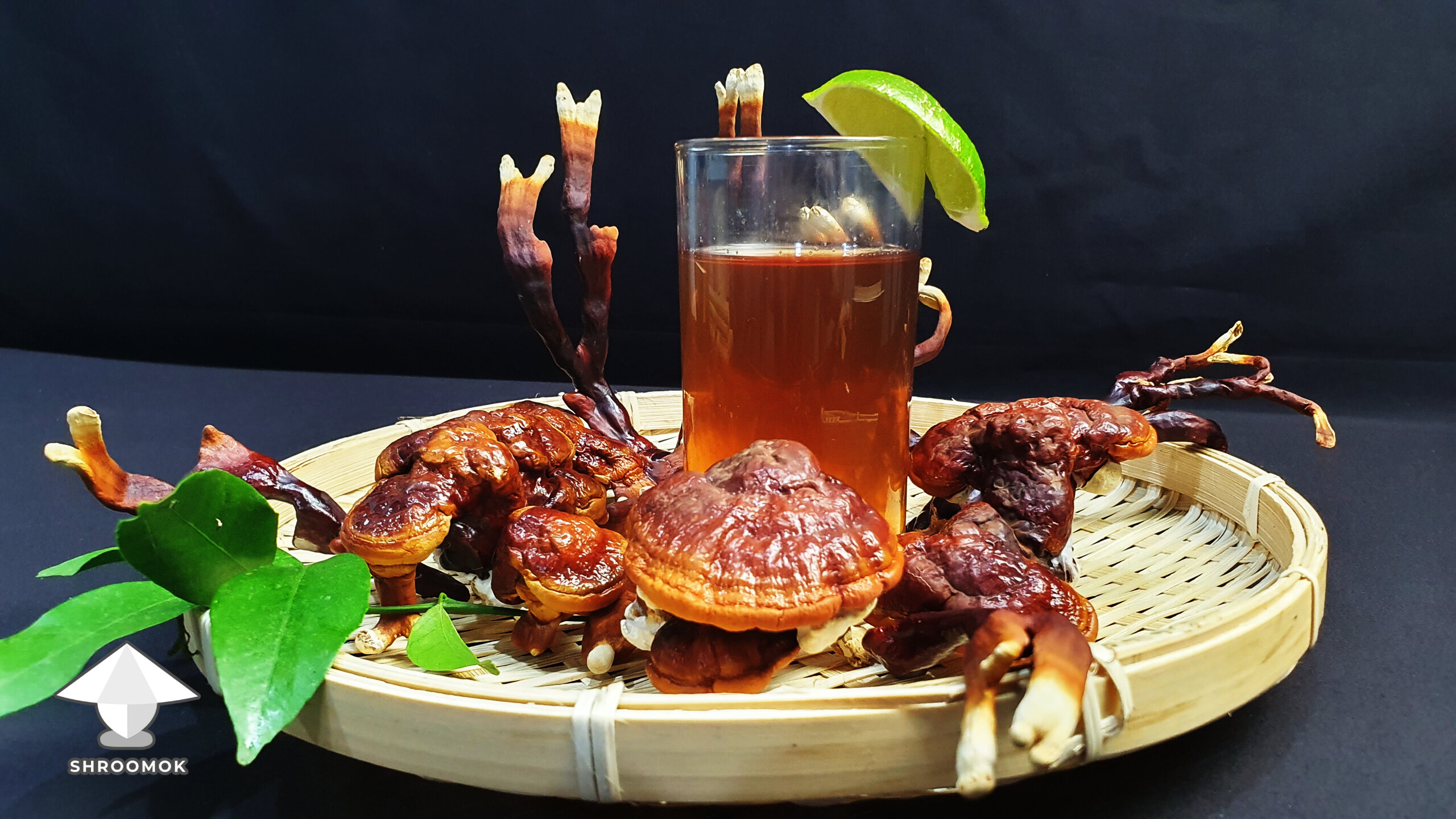
Even though it’s placebo, such caffeine-free elixir helps to create healthy bedtime habits. Tea works as a trigger – a signal to the brain and body that it’s time to relax. Drinking reishi tea became a part of my wind down routine before sleep.
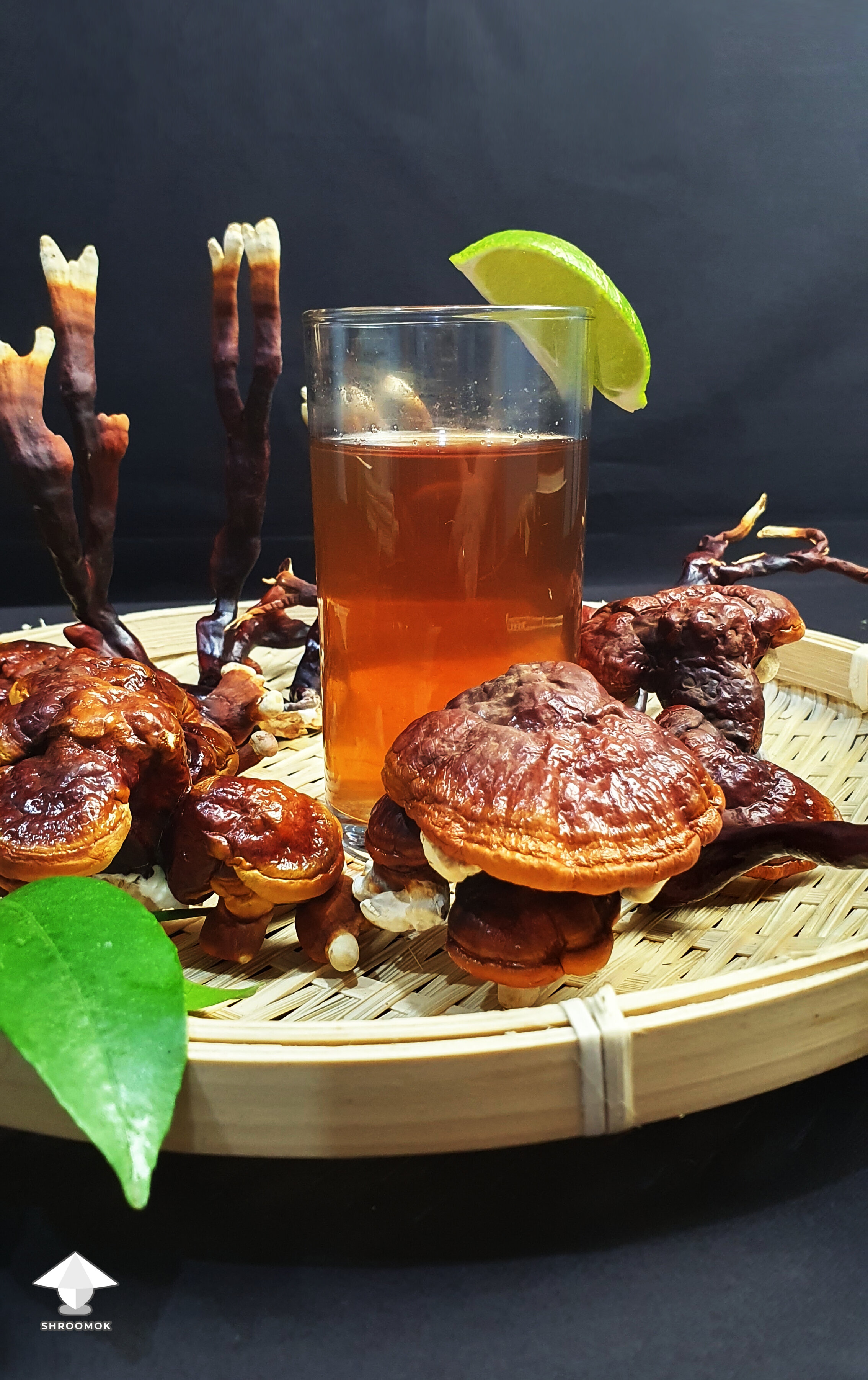
Hope reishi will be beneficial for you as well.
List of ingredients for making reishi tea
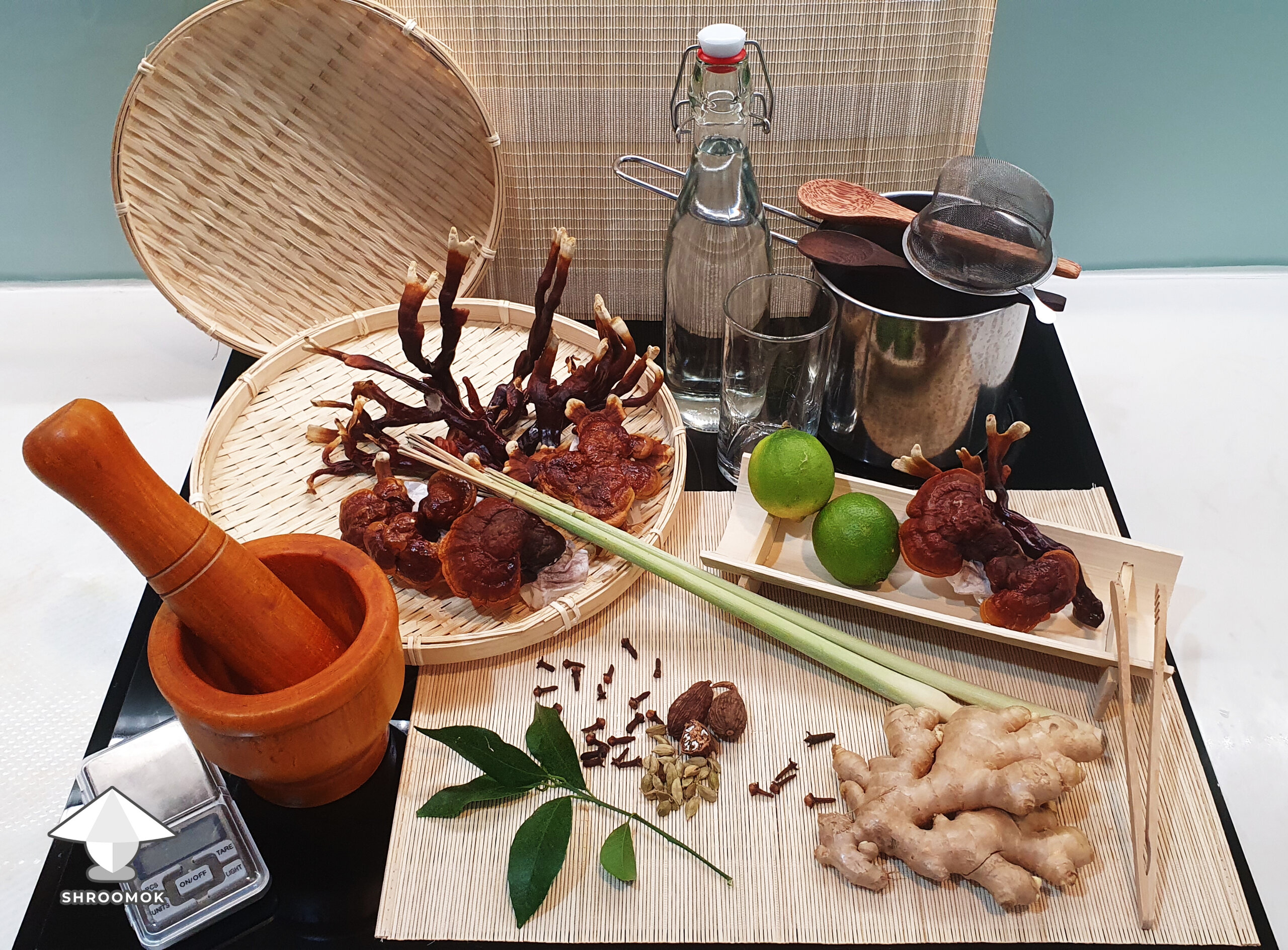
Actually, all you need is water and reishi. That’s it!
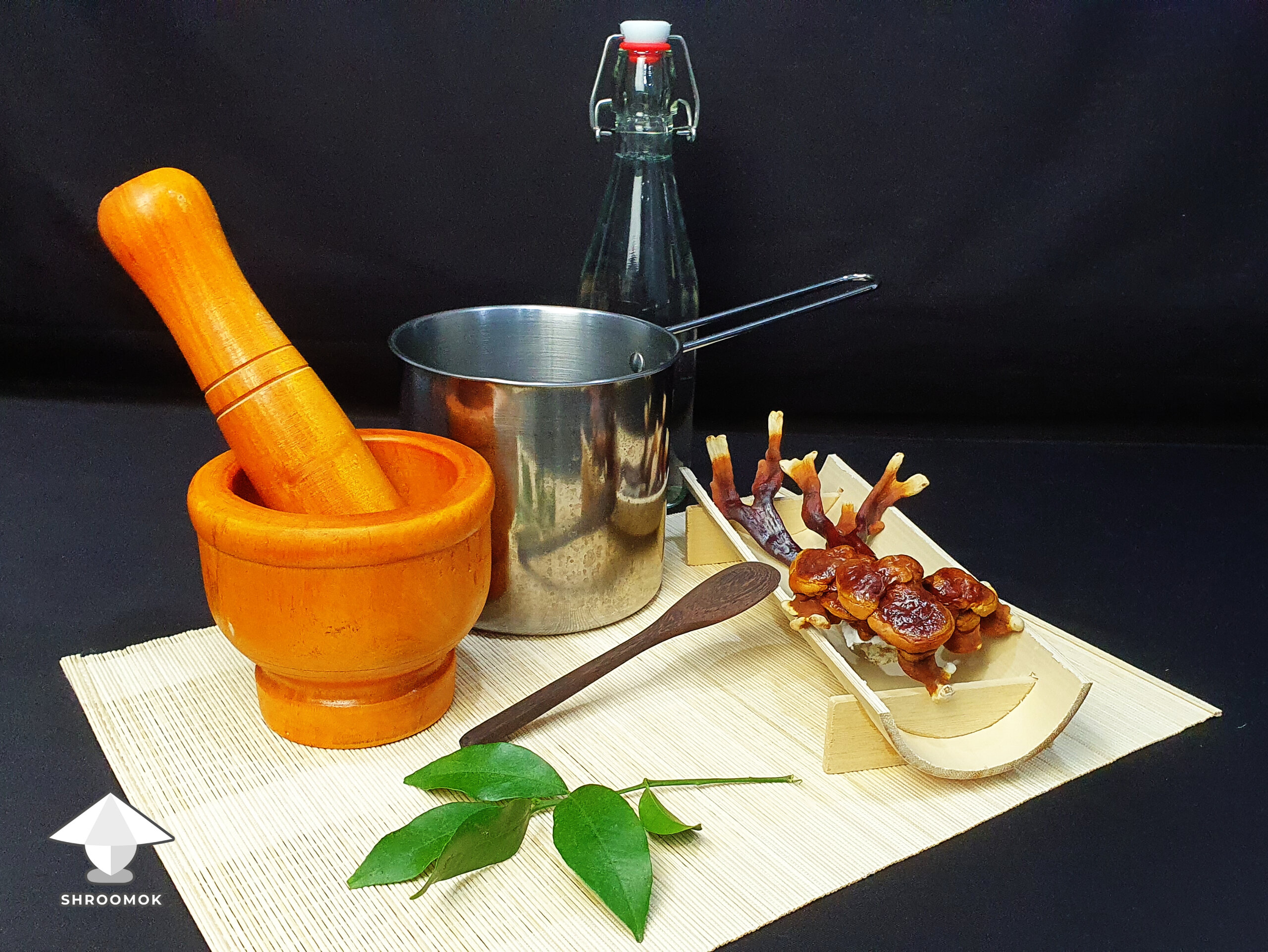
Water (fresh filtered drinking water) – 1 cup (250-300 ml)
Dry reishi mushrooms – 2.5-3.5 grams per 1 cup = 1 tablespoon of grinded reishi
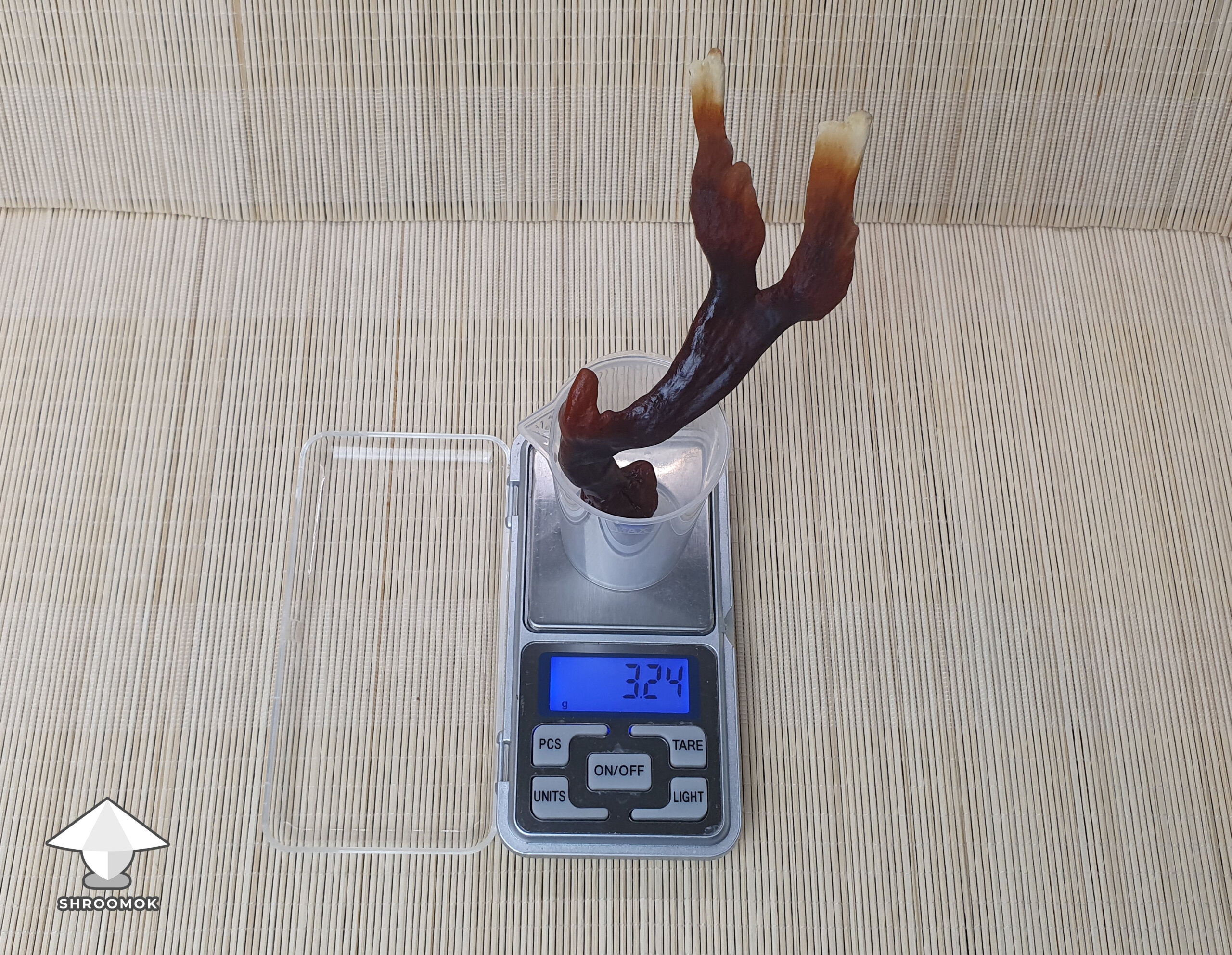
Antler reishi fruit for one cup of tea Additional optional ingredients to add taste – lemon slices, lime, orange juice or peels, fresh sliced or dry ginger, cloves, cinnamon, cardamon, lemongrass, star anise, peppermint or whatever you like.
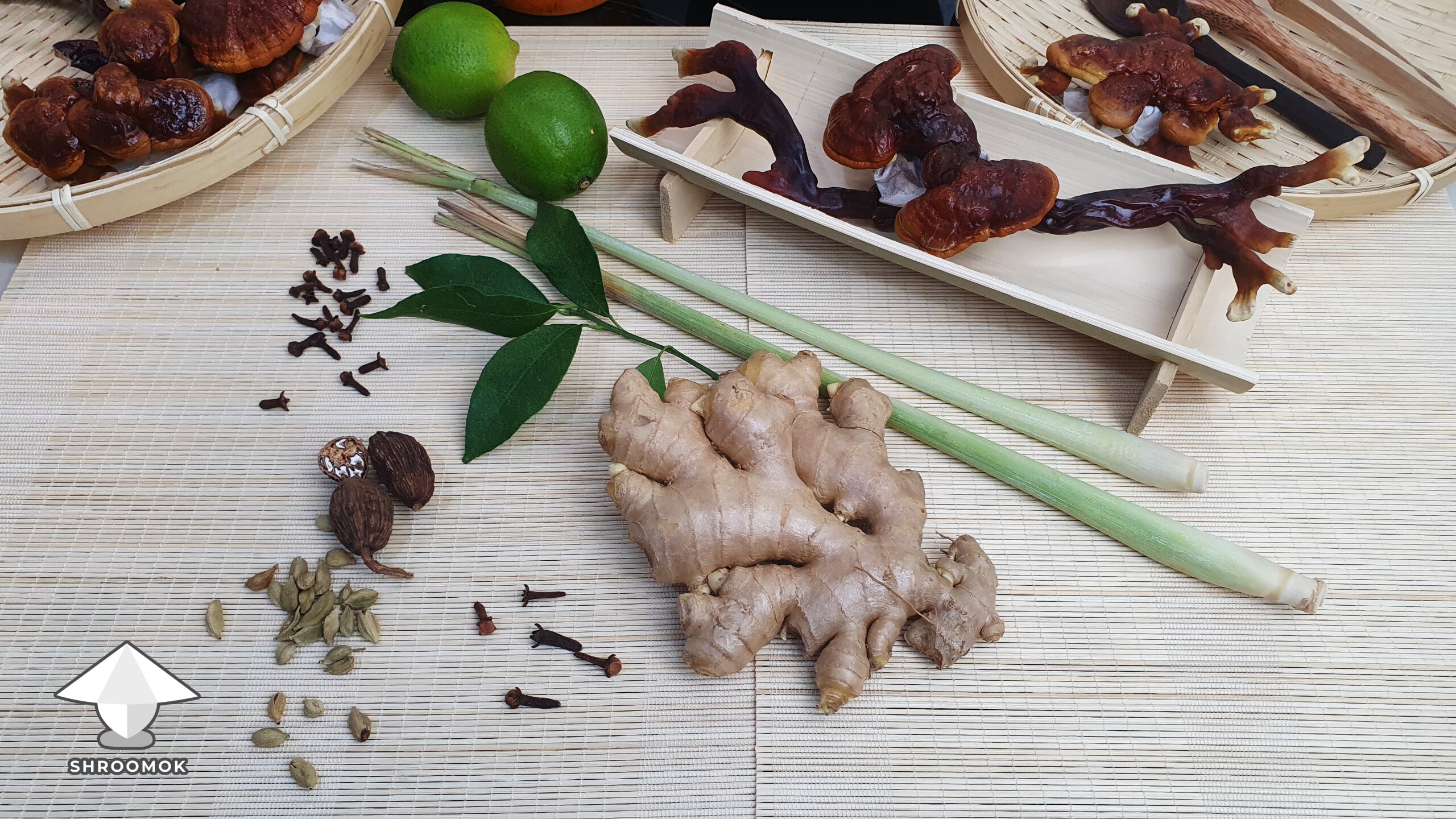
Spices for reishi tea to add taste
Reishi tea brewing process
Break the dried reishi mushrooms into small pieces.
Properly dried mushrooms are easy to break by hands.
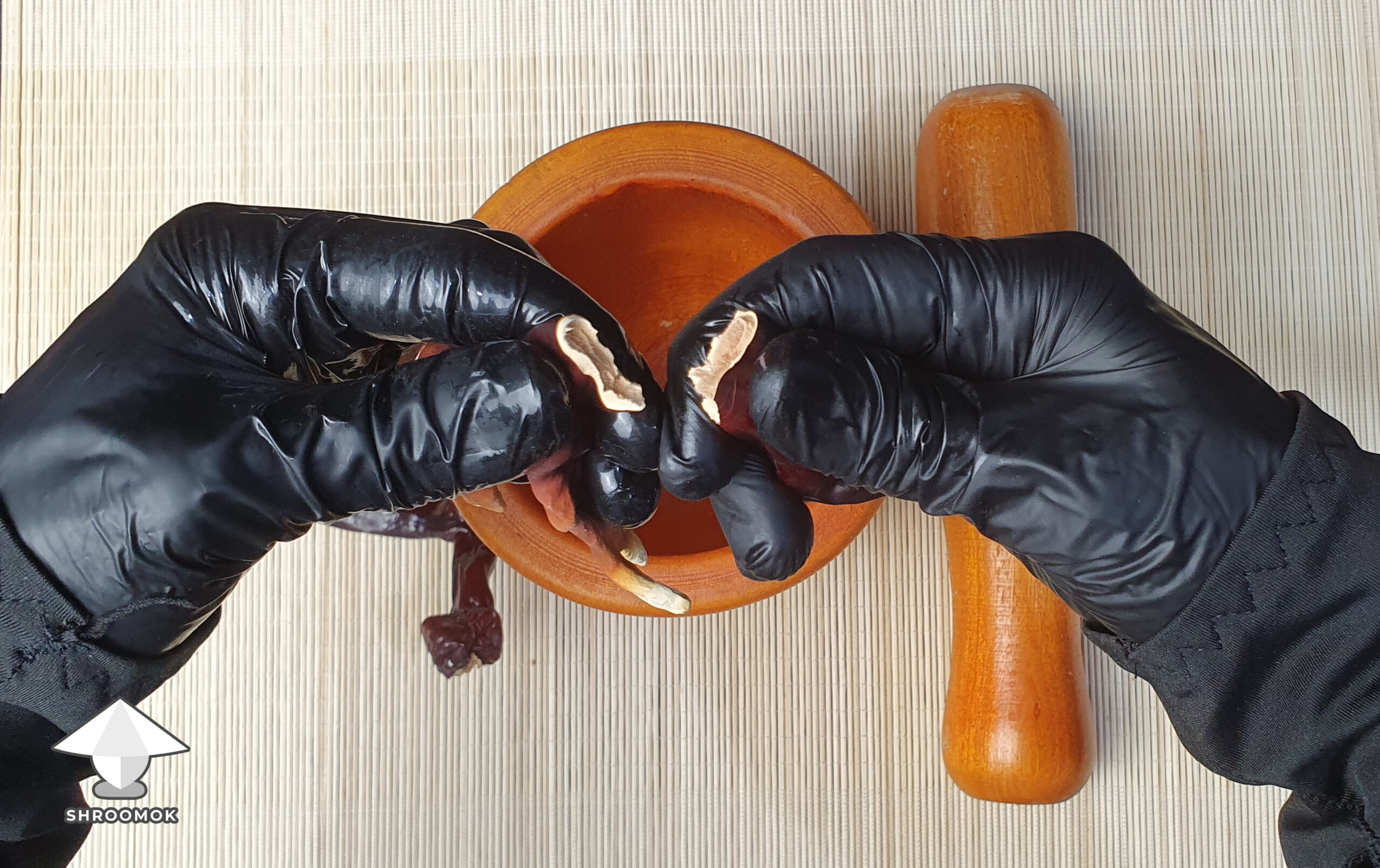
Or you can use an ancient tool – mortar and pestle.
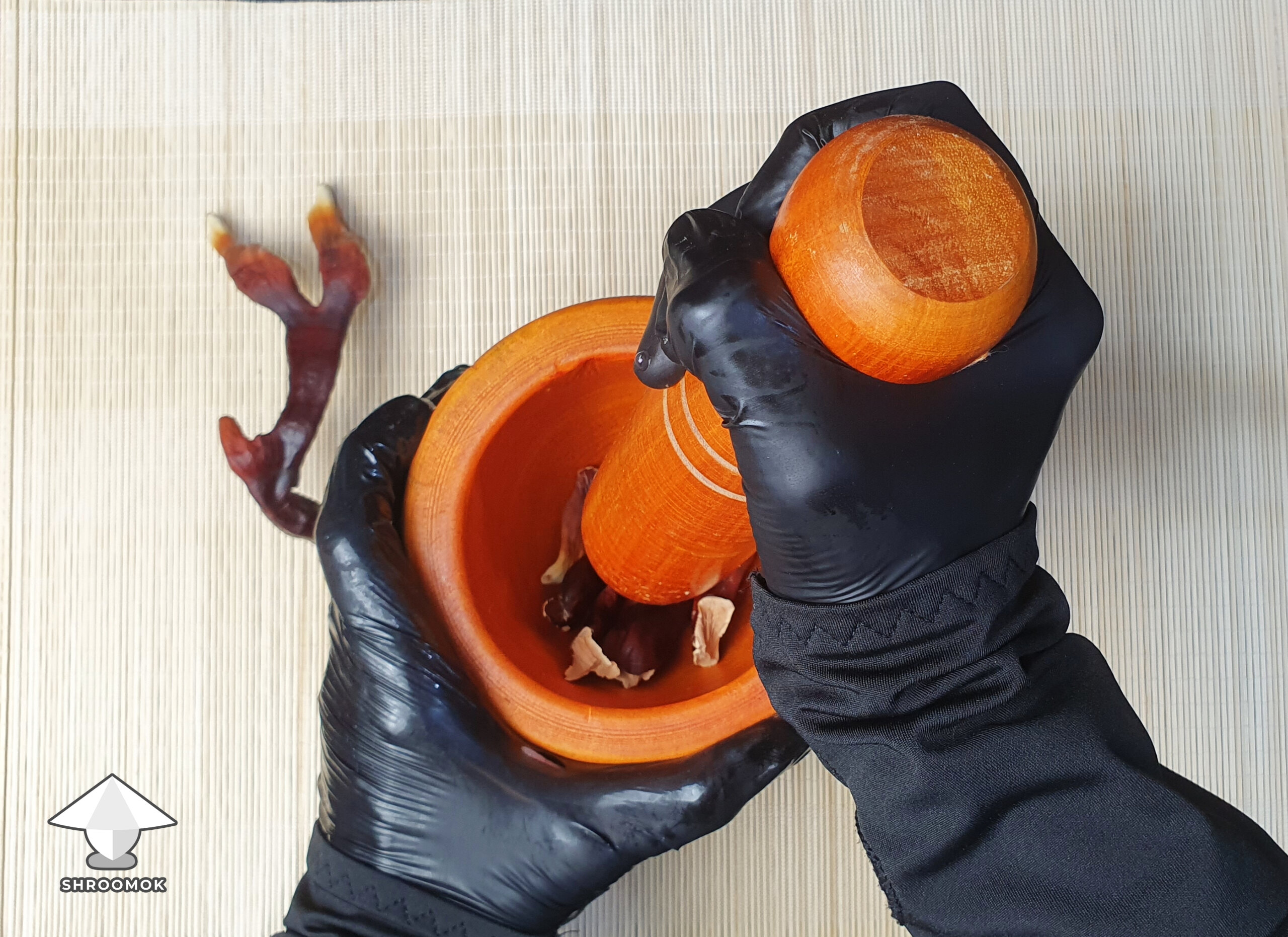
The same result can be achieved easier and faster with a coffee grinder.
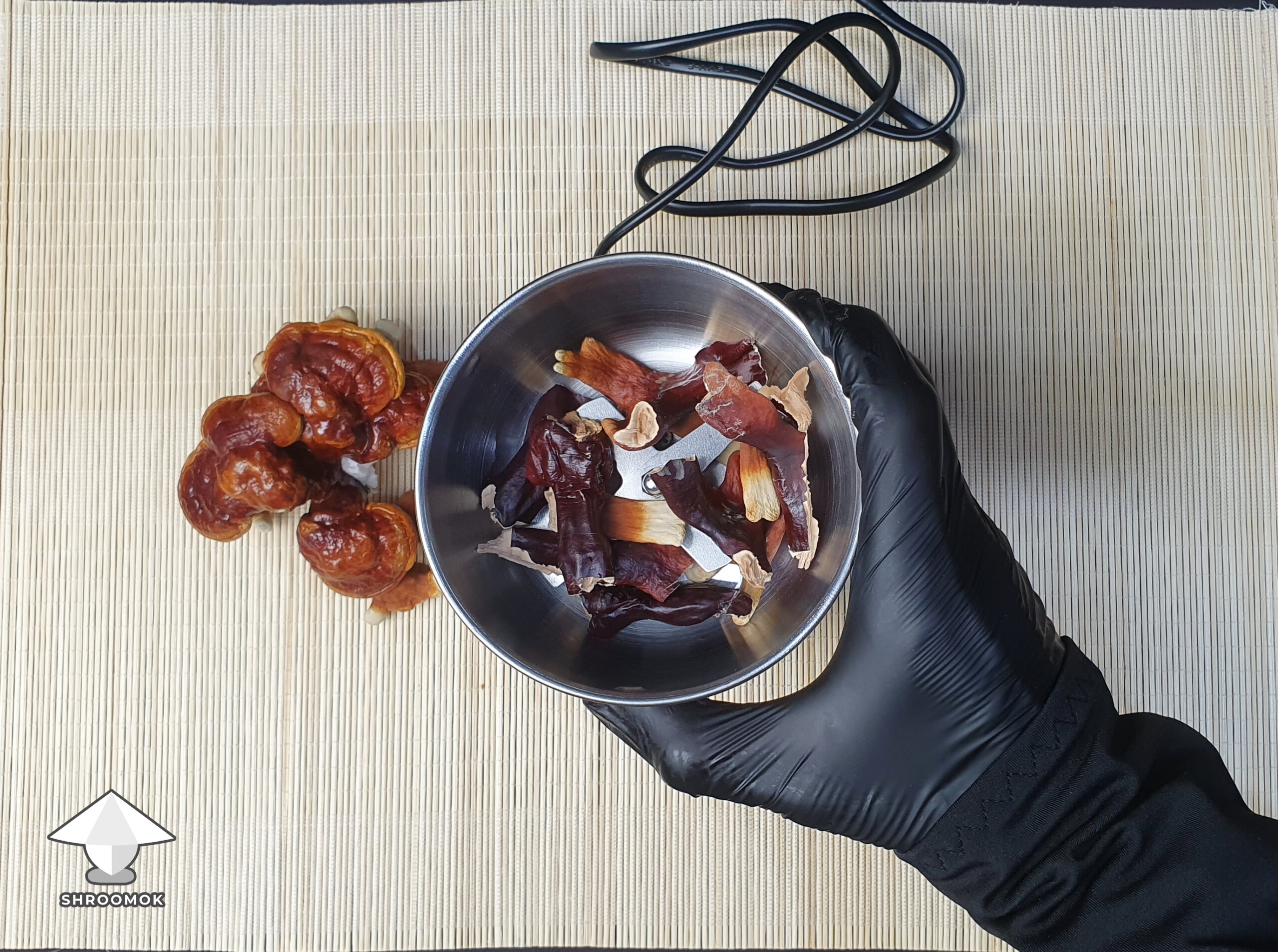
You don't need a fine powder, such pieces are fine.
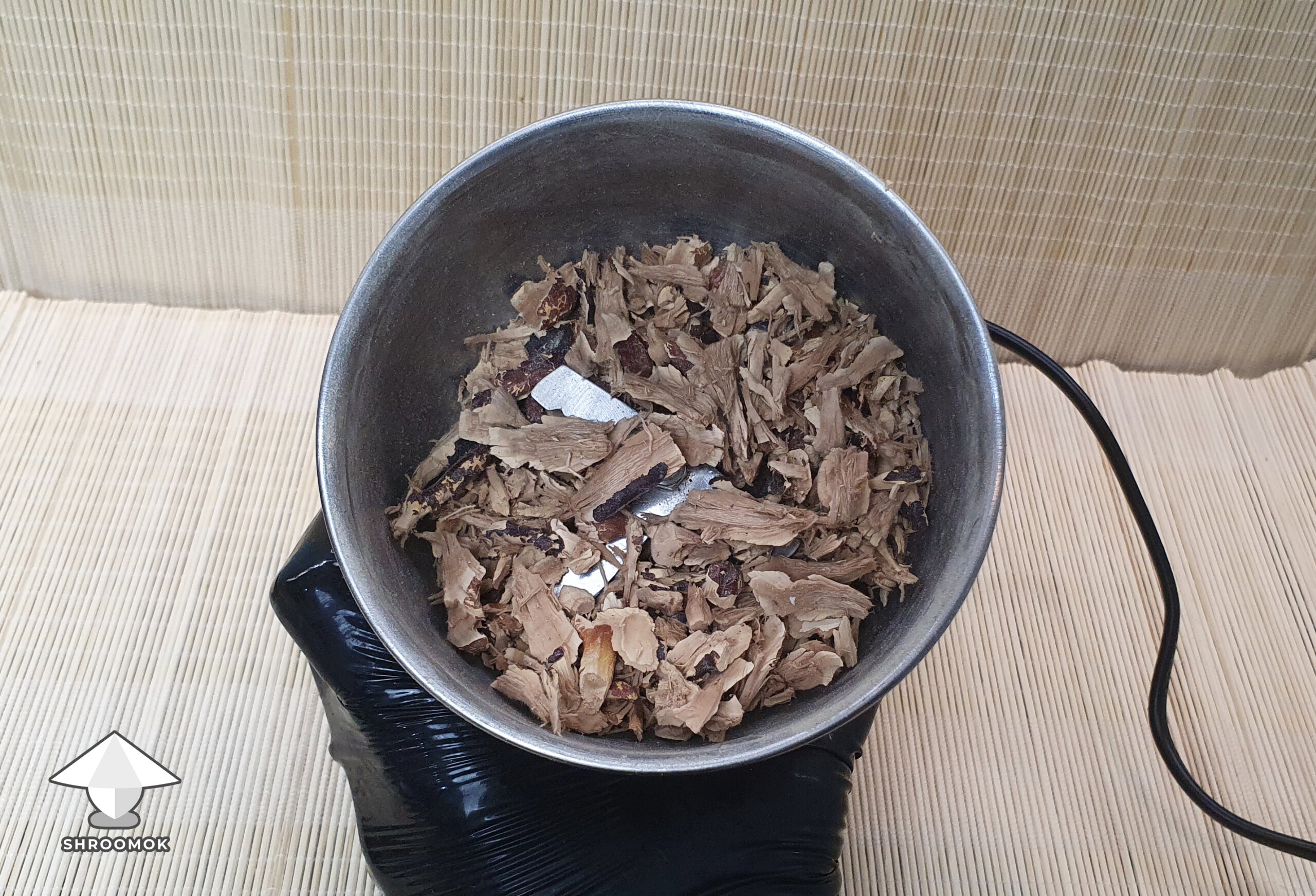
To save time you can grind more reishi and store them in airtight jar, so that you don't need to grind them for each cup of tea.
Put a stainless steel pot on the stove and fill it with drinking water.
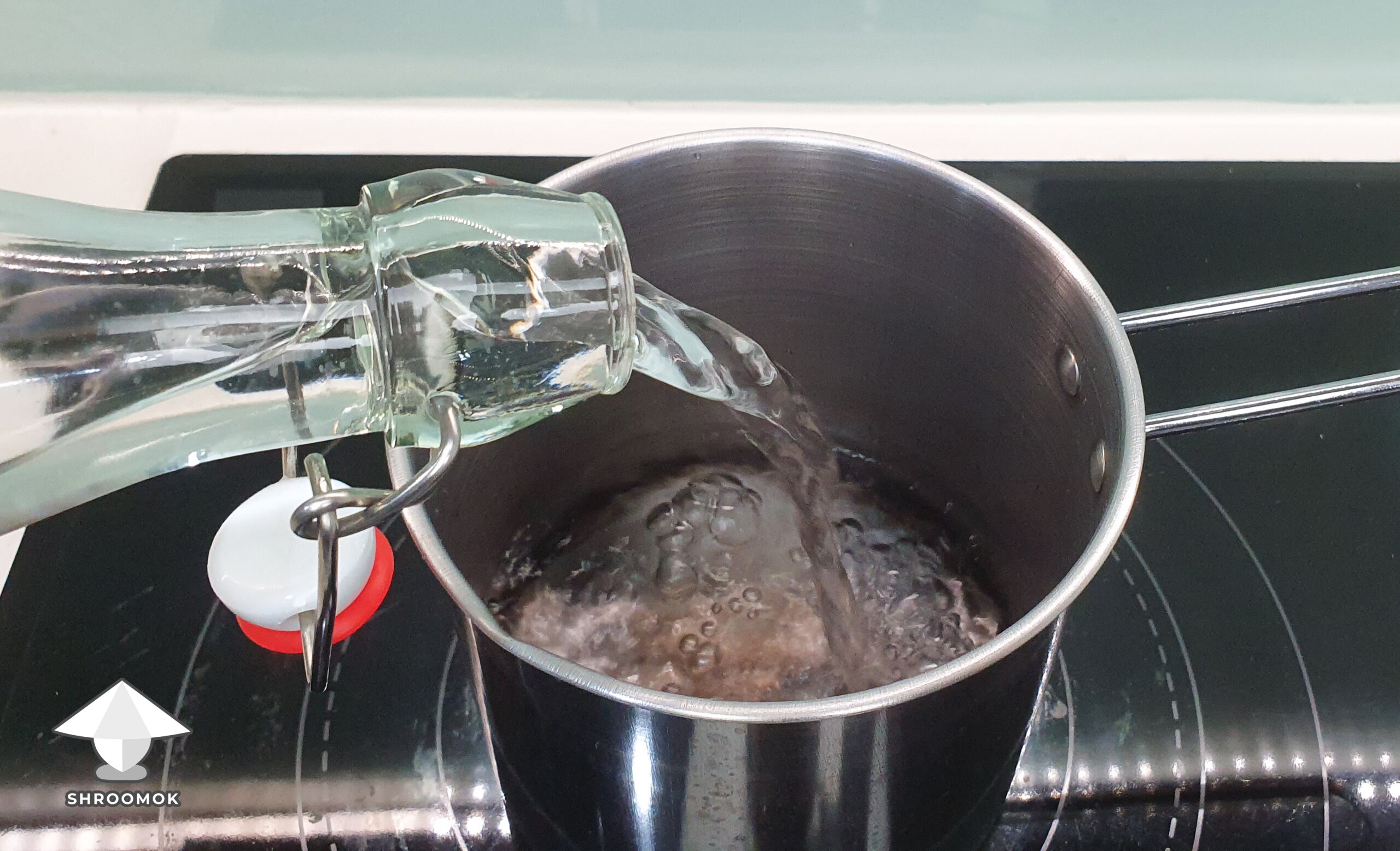
Fill the pot with water for brewing reishi drink Bring it to a boil.
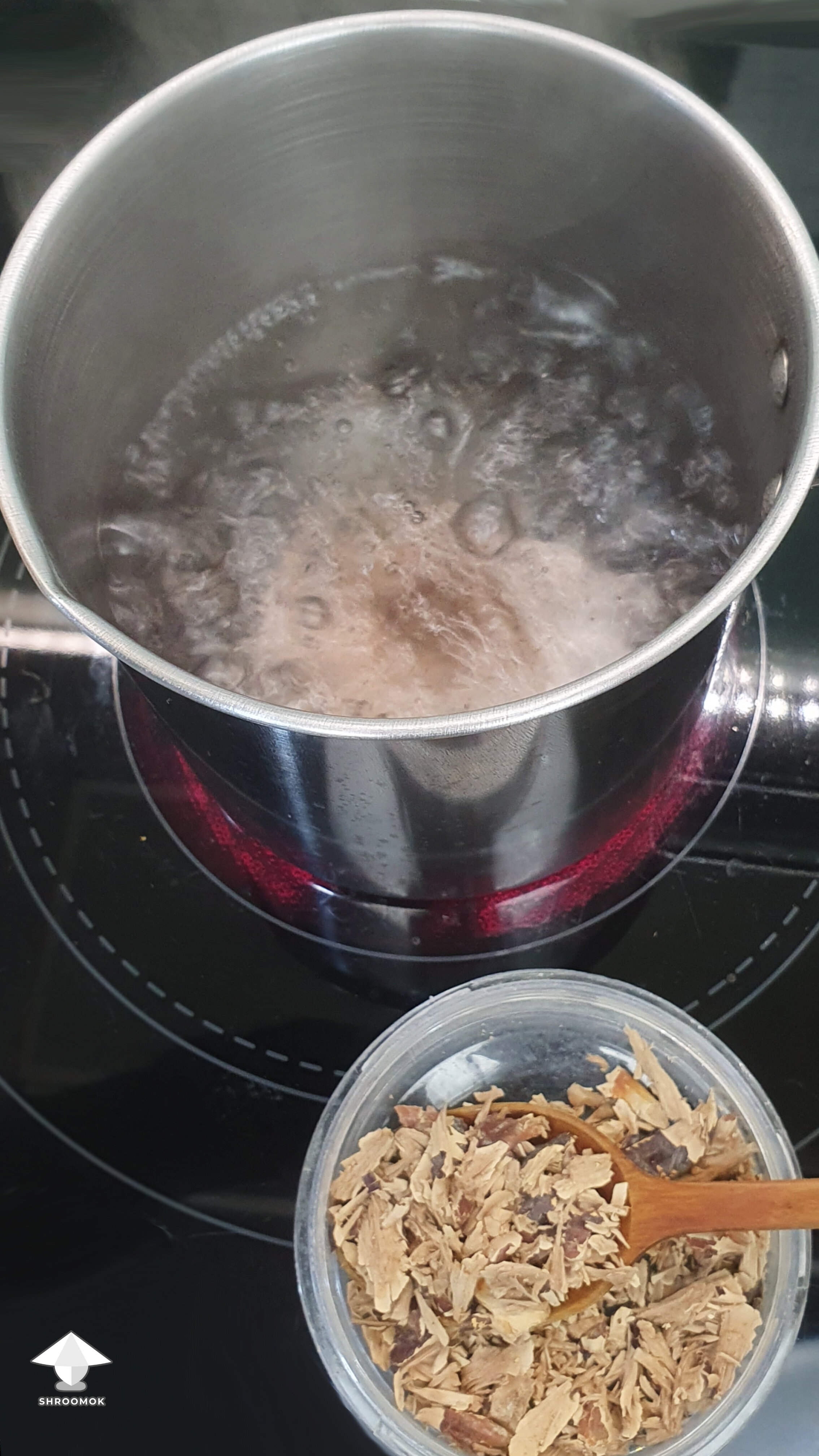
Bring water to boil before adding reishi for brewing Add grinded reishi mushrooms (~1 tbsp. per cup).
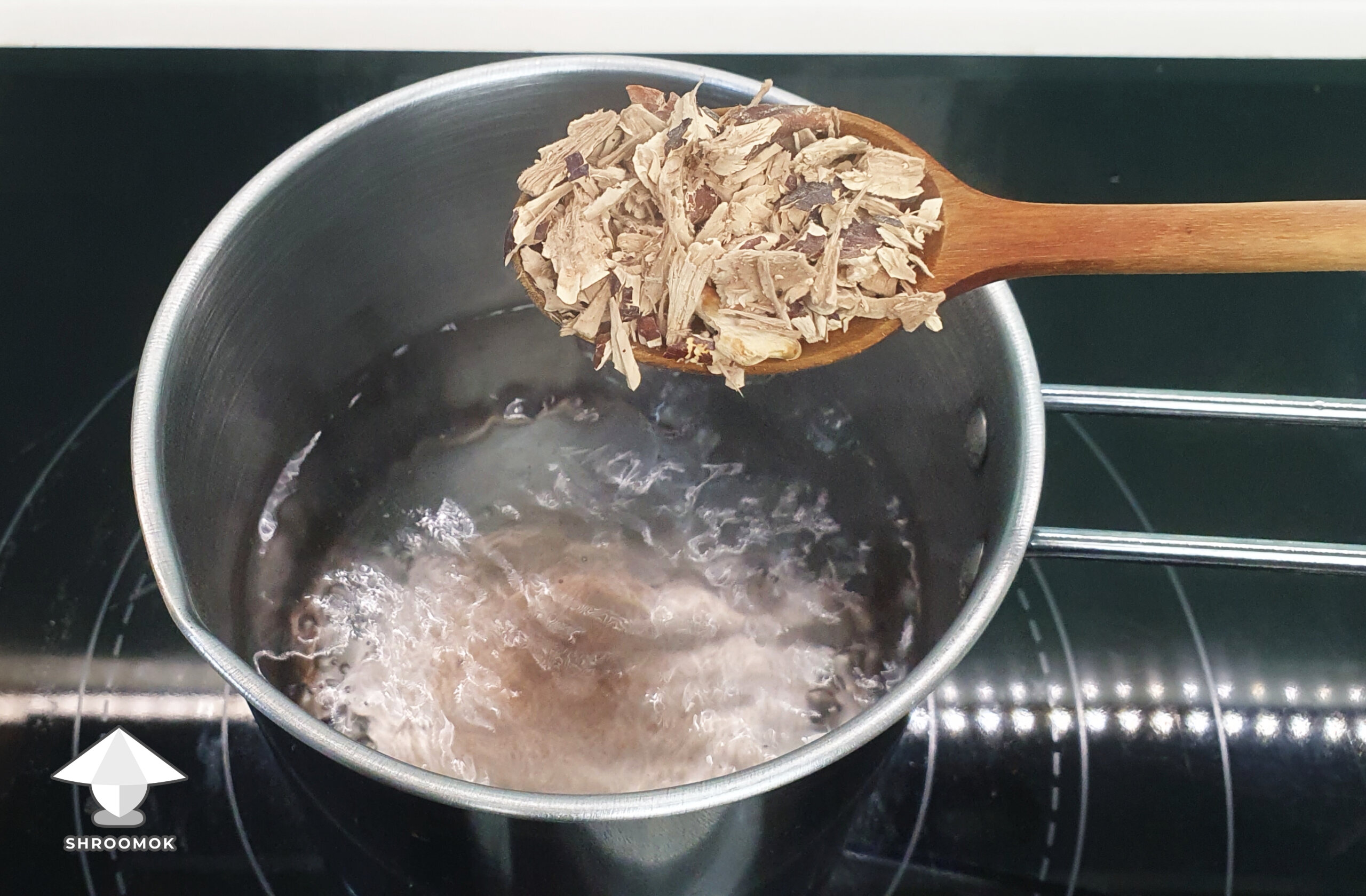
Add dry ground reishi to boiling water for brewing 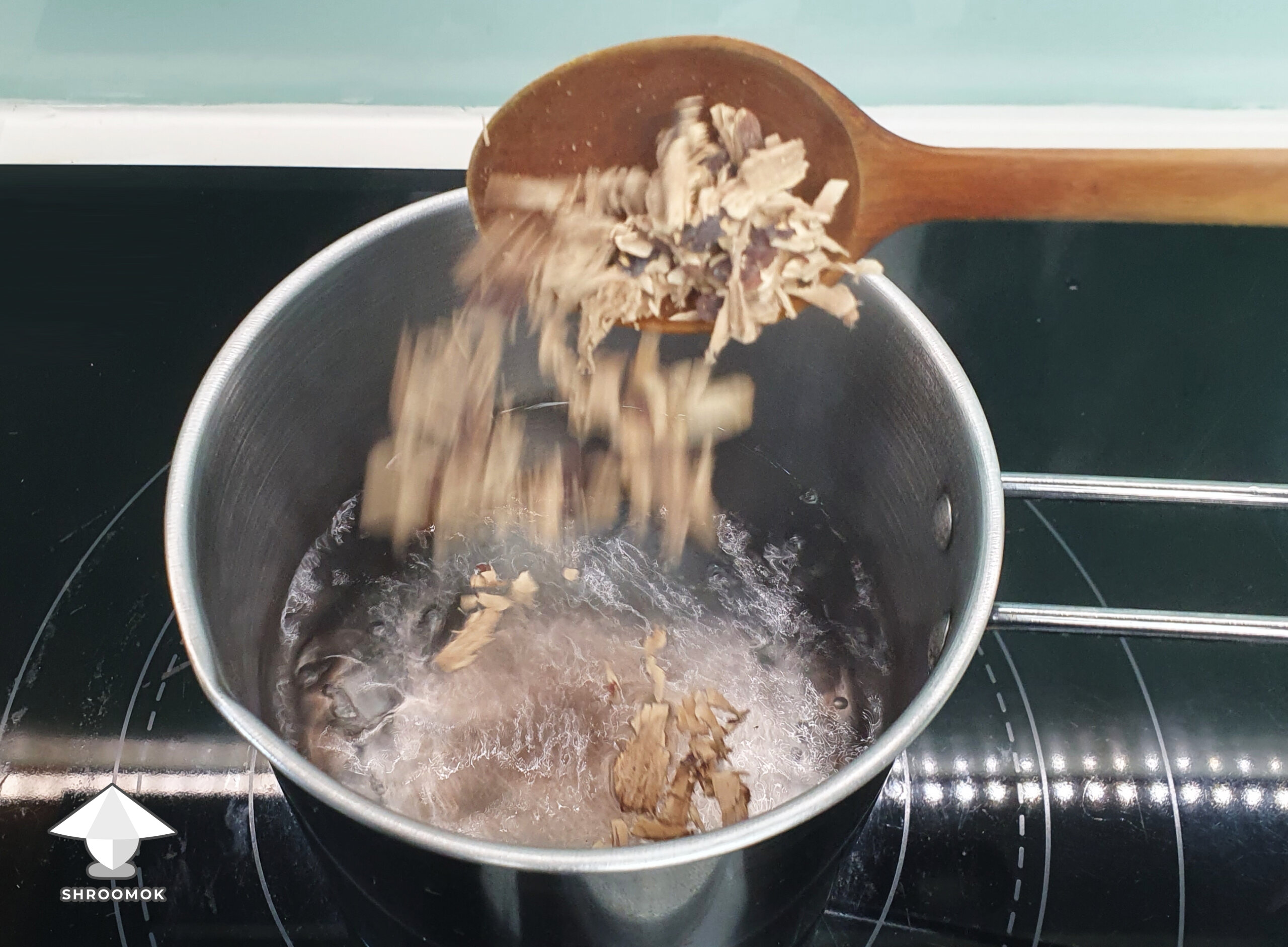
Add 1 tablespoon of reishi per 1 cup of water (250-300 ml) Mix well and let it simmer on low heat for 20-30 mins.
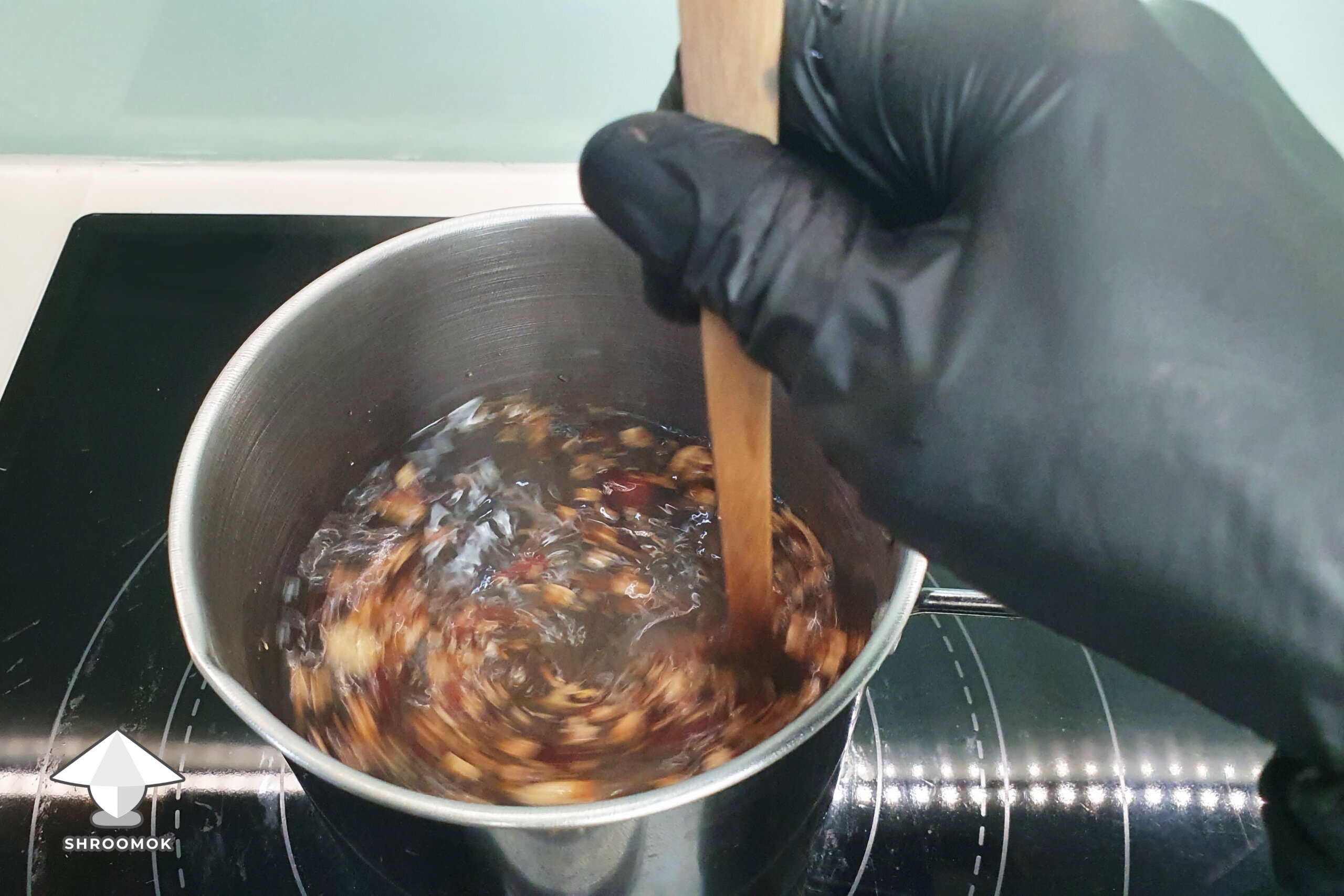
Mix well and simmer reishi over low heat to brew for 20-30 mins Add additional spices you like. Up to you ;-)
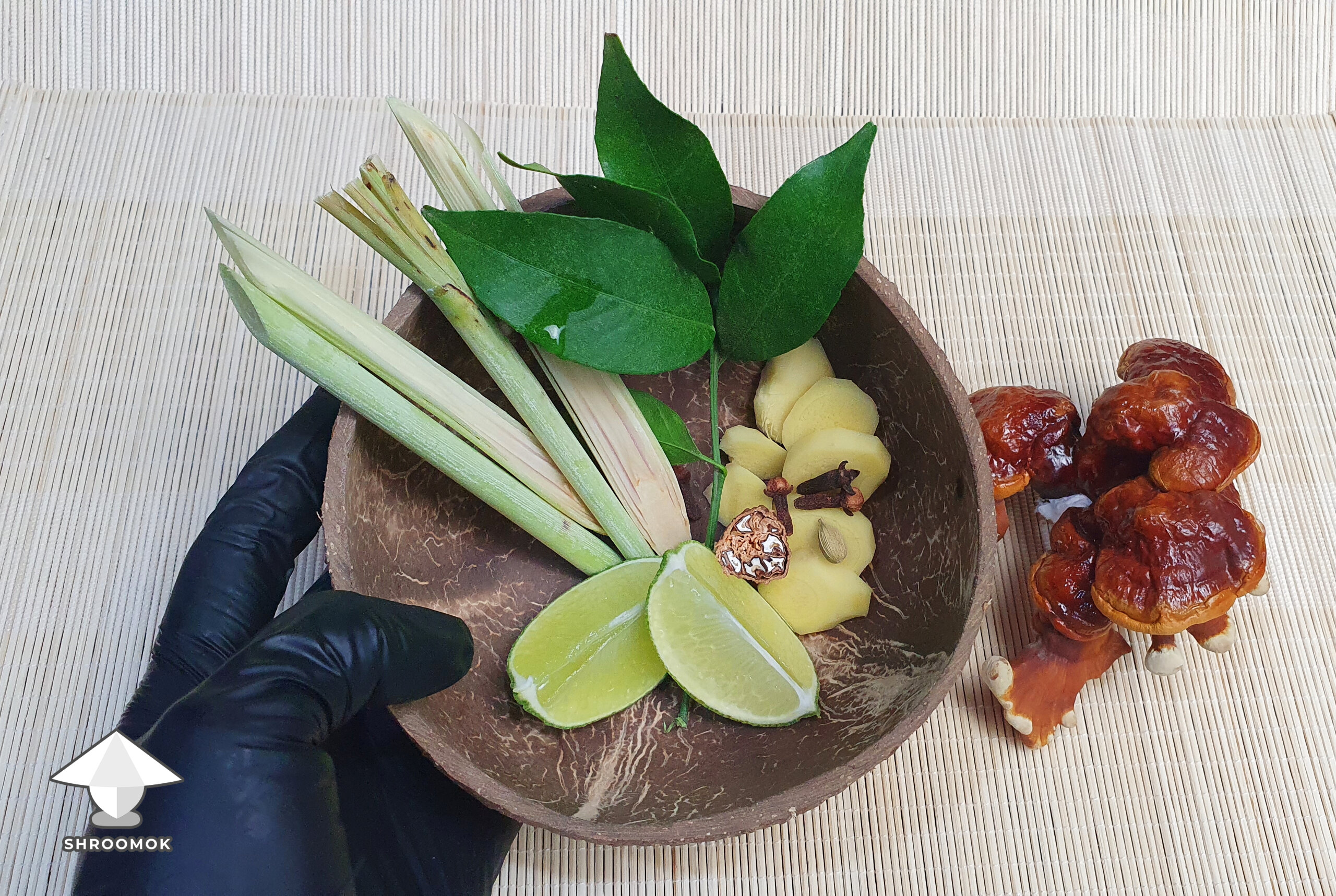
Additional spices and herbs for brewing reishi tea – ginger, cloves, green and black cardamon, lemongrass and lime 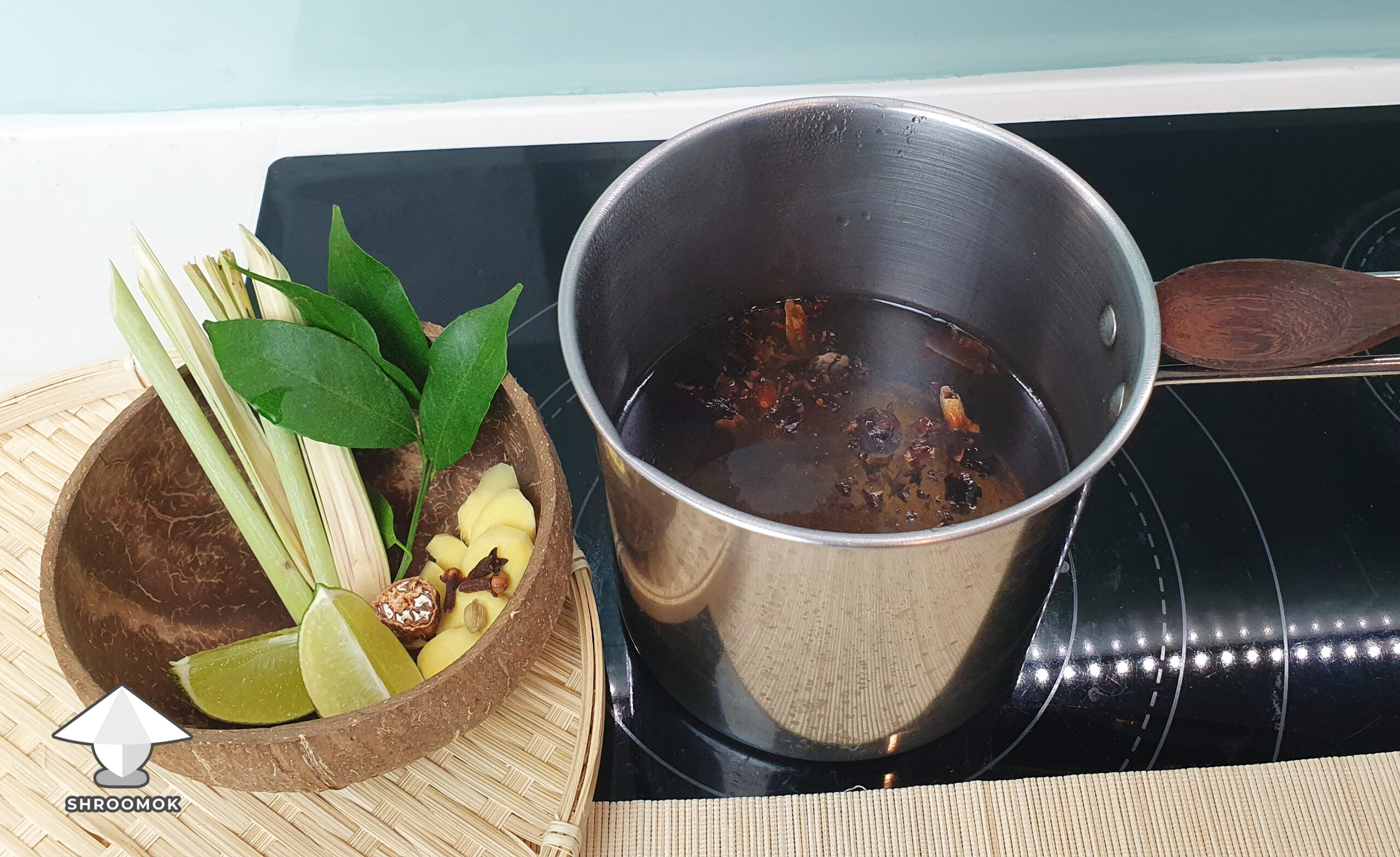
Herbs and spices for reishi tea Simmer for another 5-10 or 20-30 mins.
The longer you simmer, the stronger the tea will be, hence more bitter.
Strain the pulp and let it cool a little before drinking.
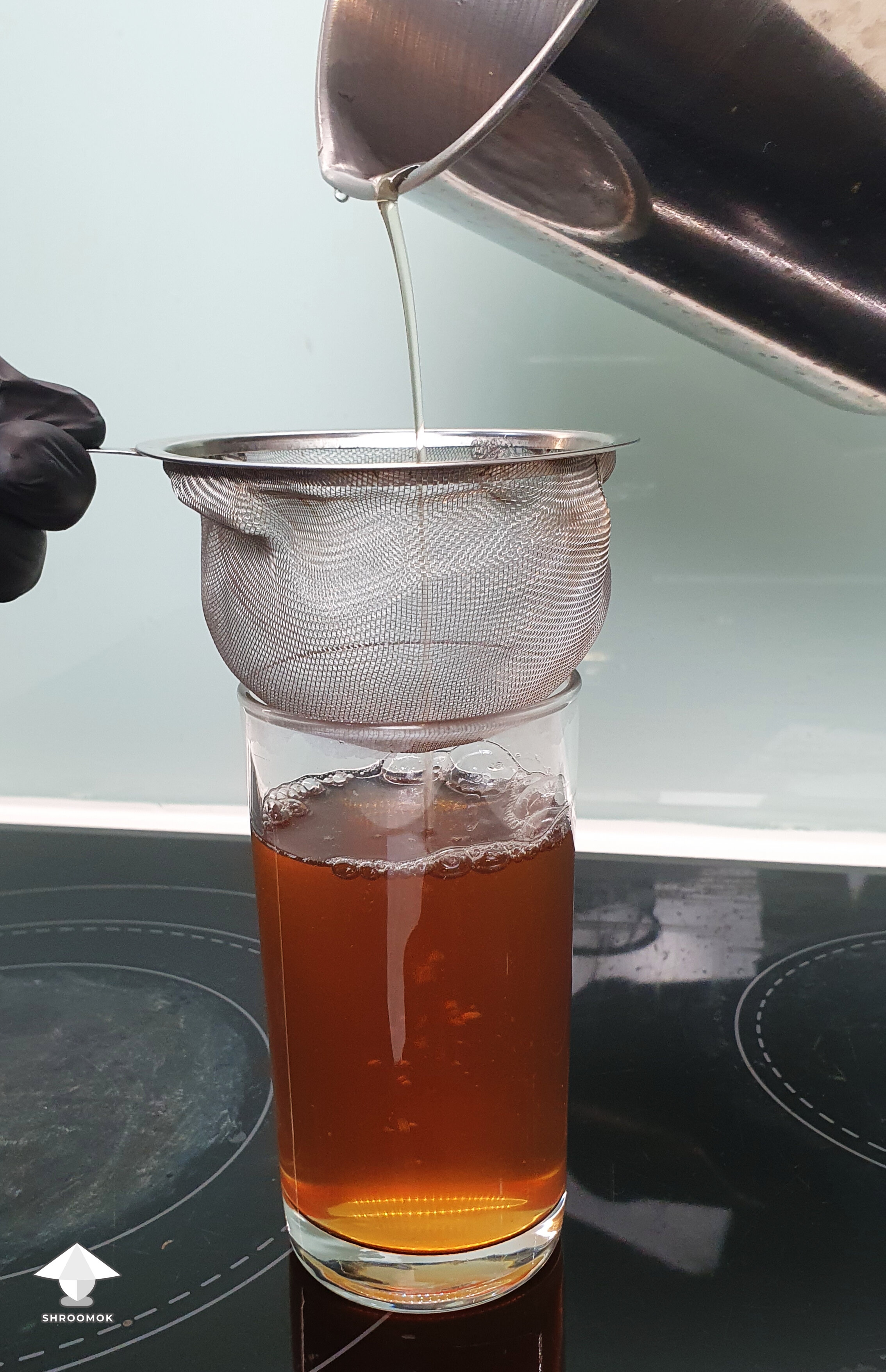
Filter the reishi drink through a tea strainer Add lemon slices or lime juice if you want.
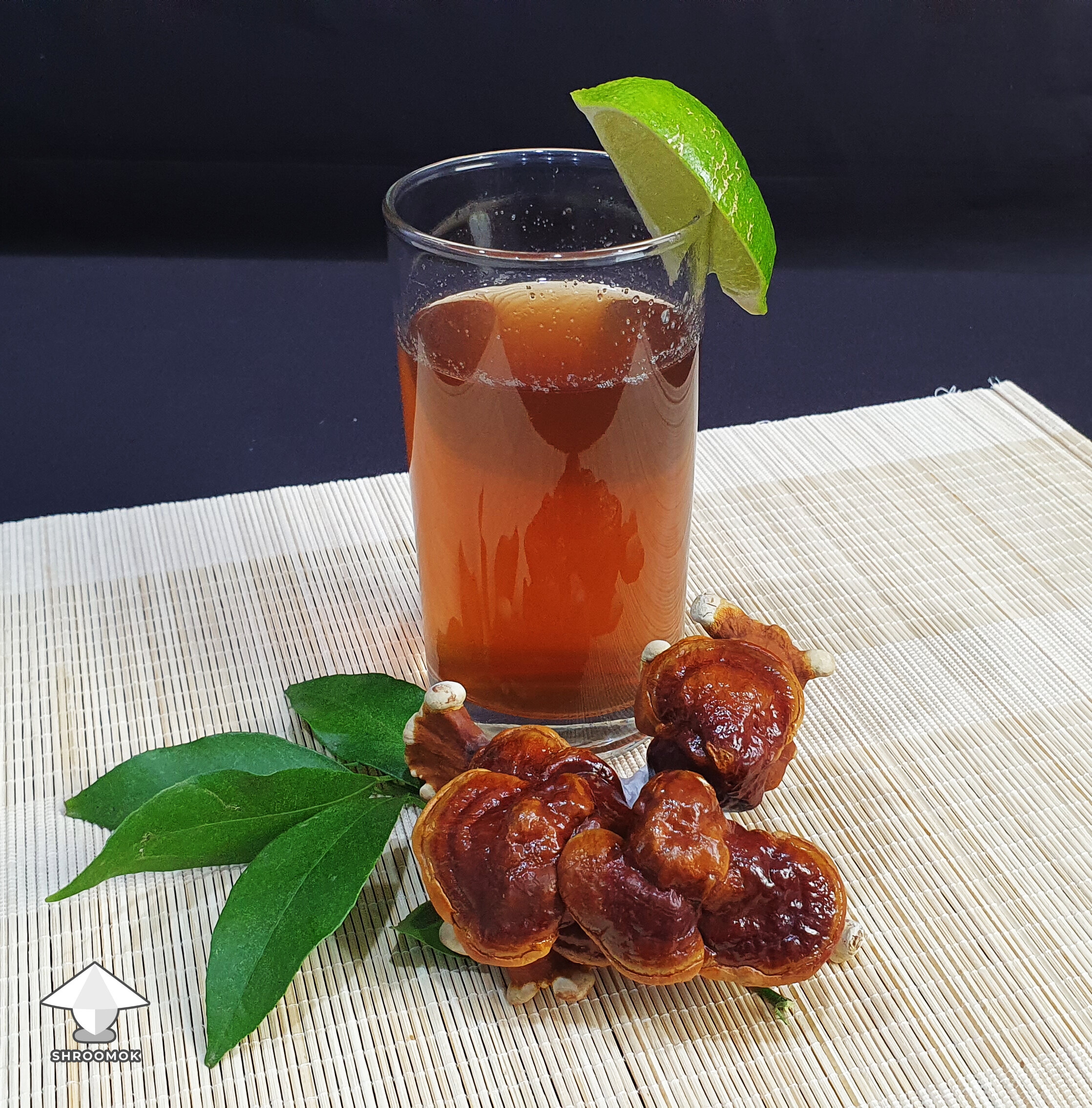
Health tonic reishi ganoderma tea Sip, relax and enjoy!
What Reishi tea tastes like
Reishi tea tastes bitter and tart – like green tea – but more intense with earthy, woody and light mushroom aroma. The more mushrooms you add and the longer you simmer them the more bitter taste you’ll get.
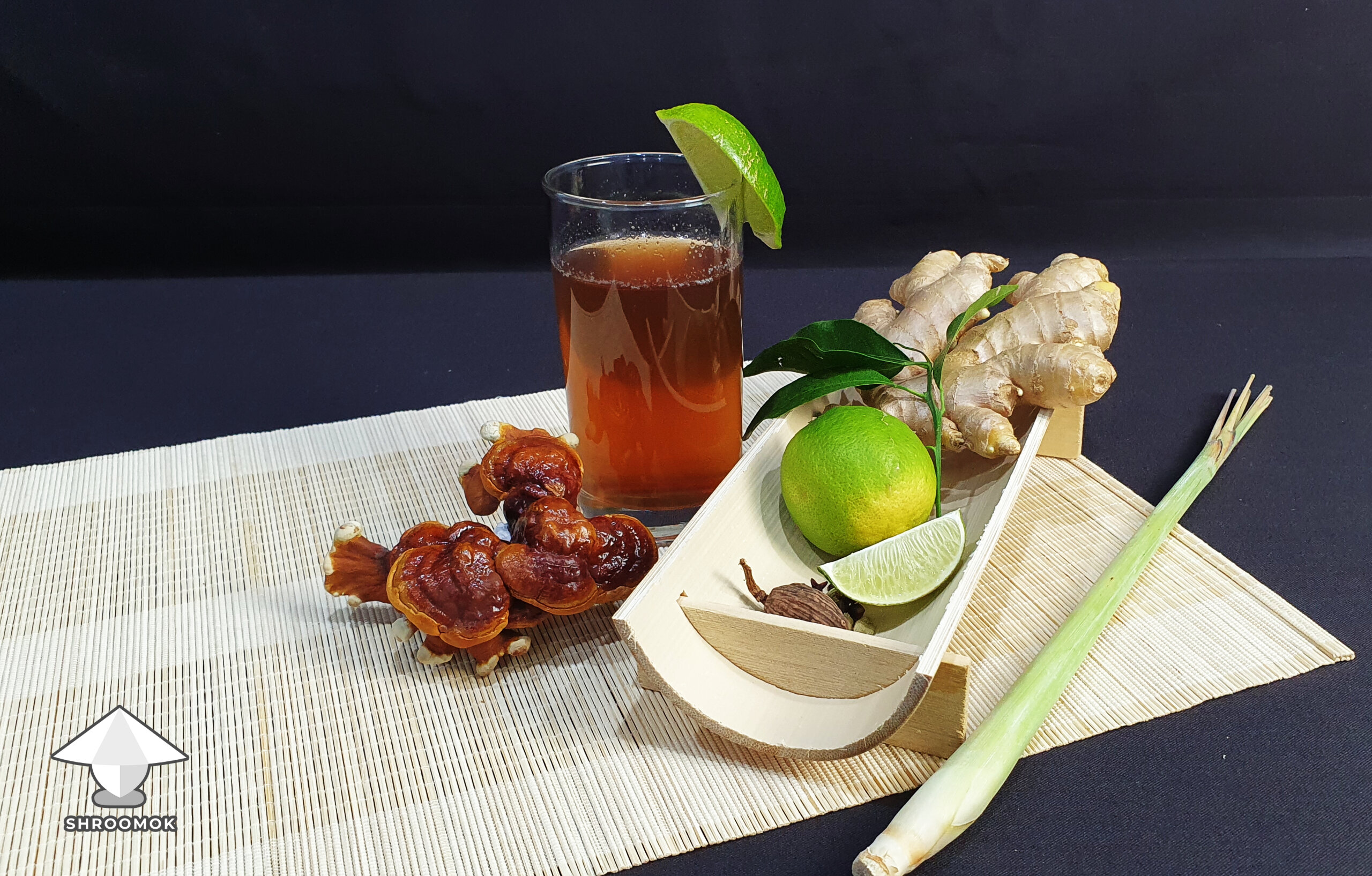
Start with 2.5g per cup and simmer for 20-30 mins for the first time. Then you can add 3.5g or even more and simmer it for up to 1 hour. Such doses are more about taste rather than overdosing since it’s hard to overdose reishi mushrooms in a tea form.
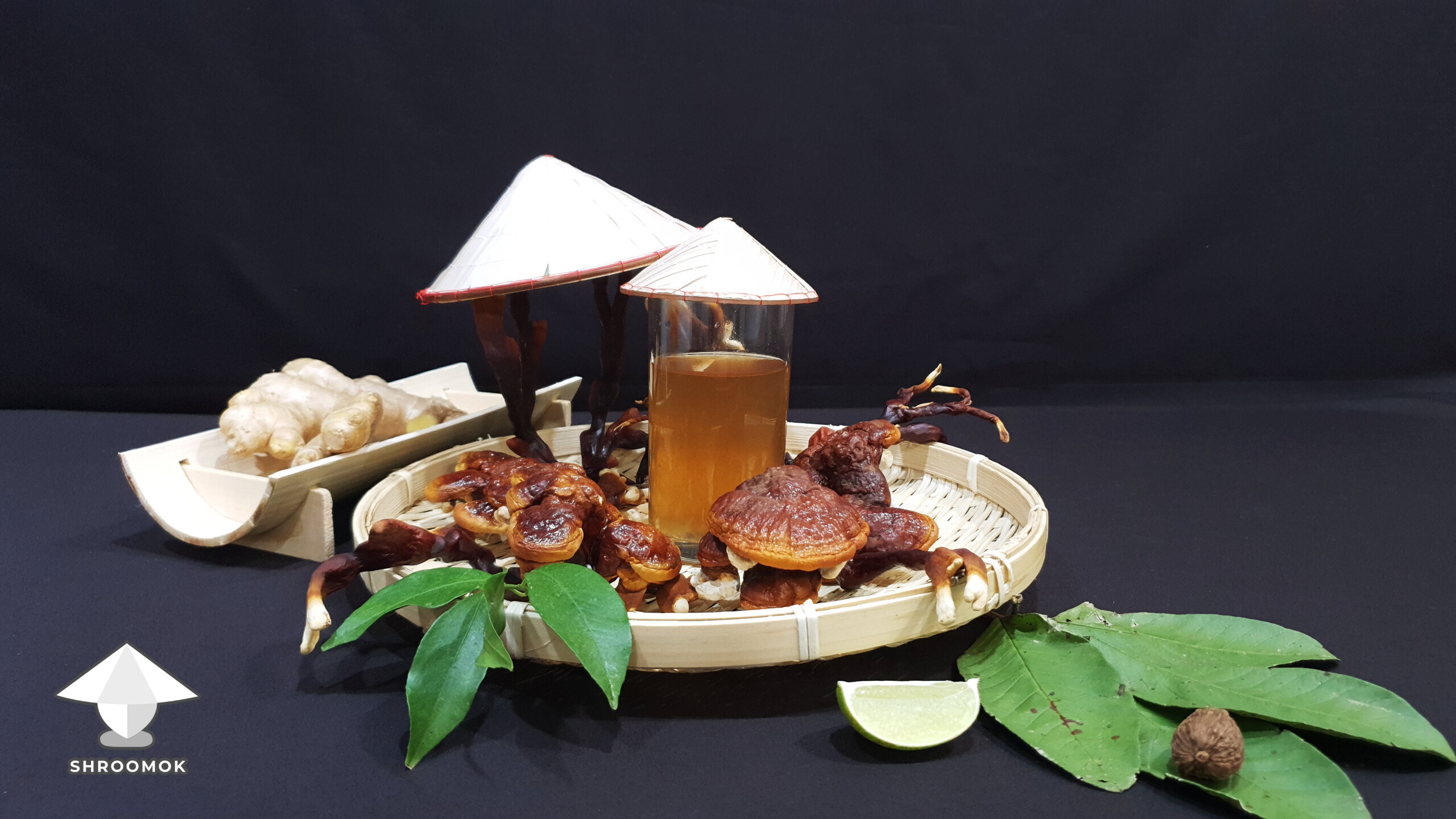
Most likely it may be unpleasant for you to drink it pure. However, adding some spices like cinnamon masks the smell easily. Adding some lemon or orange juice improves the taste. Play with different ingredients to find the best taste for you. With time you’ll adapt to it and you may drink as is.
Reishi species for making tea
There are about 80 species of Ganoderma.
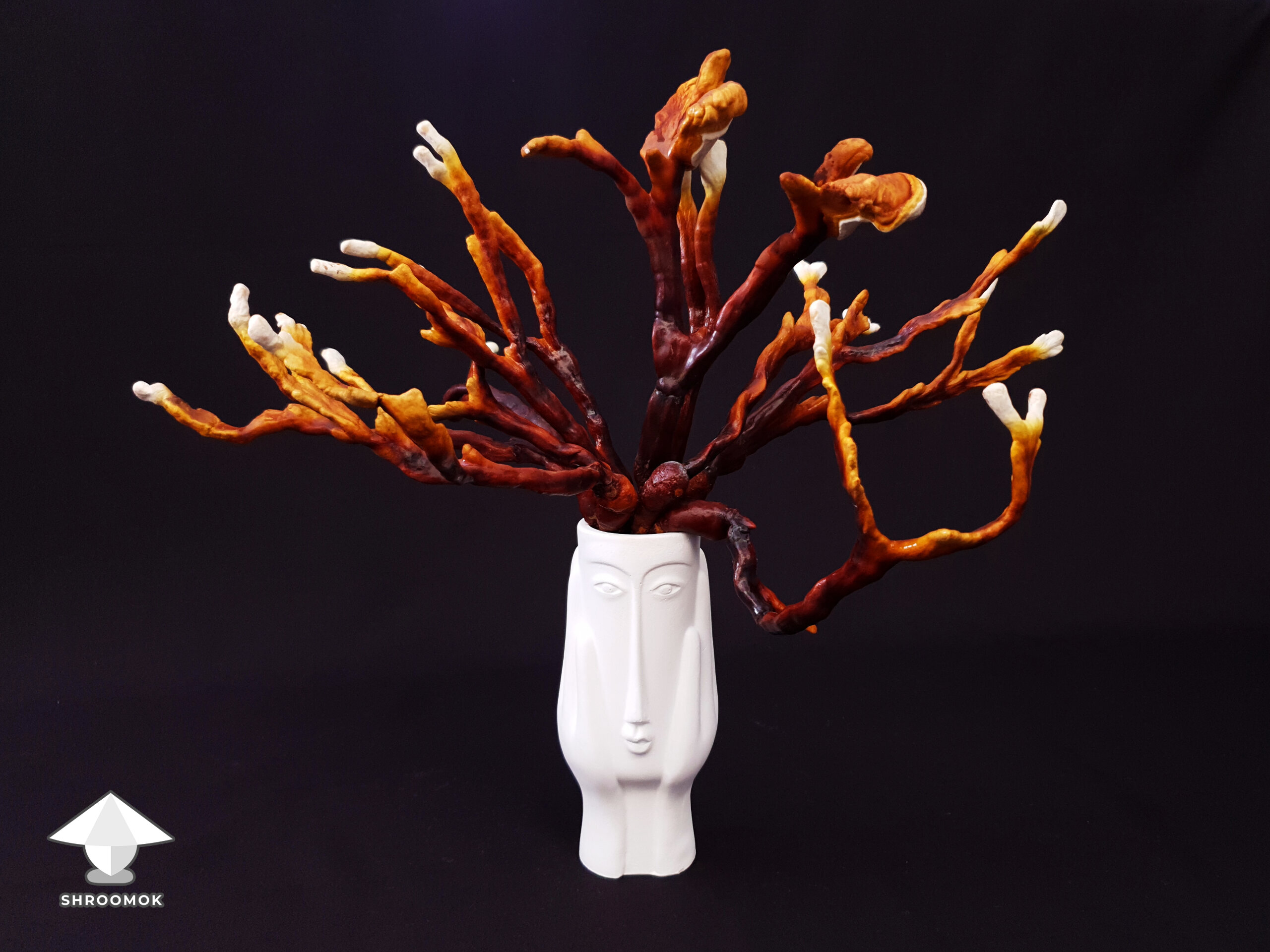
The most most well-studied species is Red reishi (G. lucidum). Other species that have its health benefits are Antler Reishi (G.multipileum), Black reishi (G. sinense), G. feifferi, G. applanatum, G. sichuanense.
The amount of bioactive compounds – polysaccharides, more than 150 different triterpenoids (like Ganoderic acid, Danoderiol, Lucidenic acid) with different biological activities, alkaloids, proteins – vary between different species of Ganoderma.
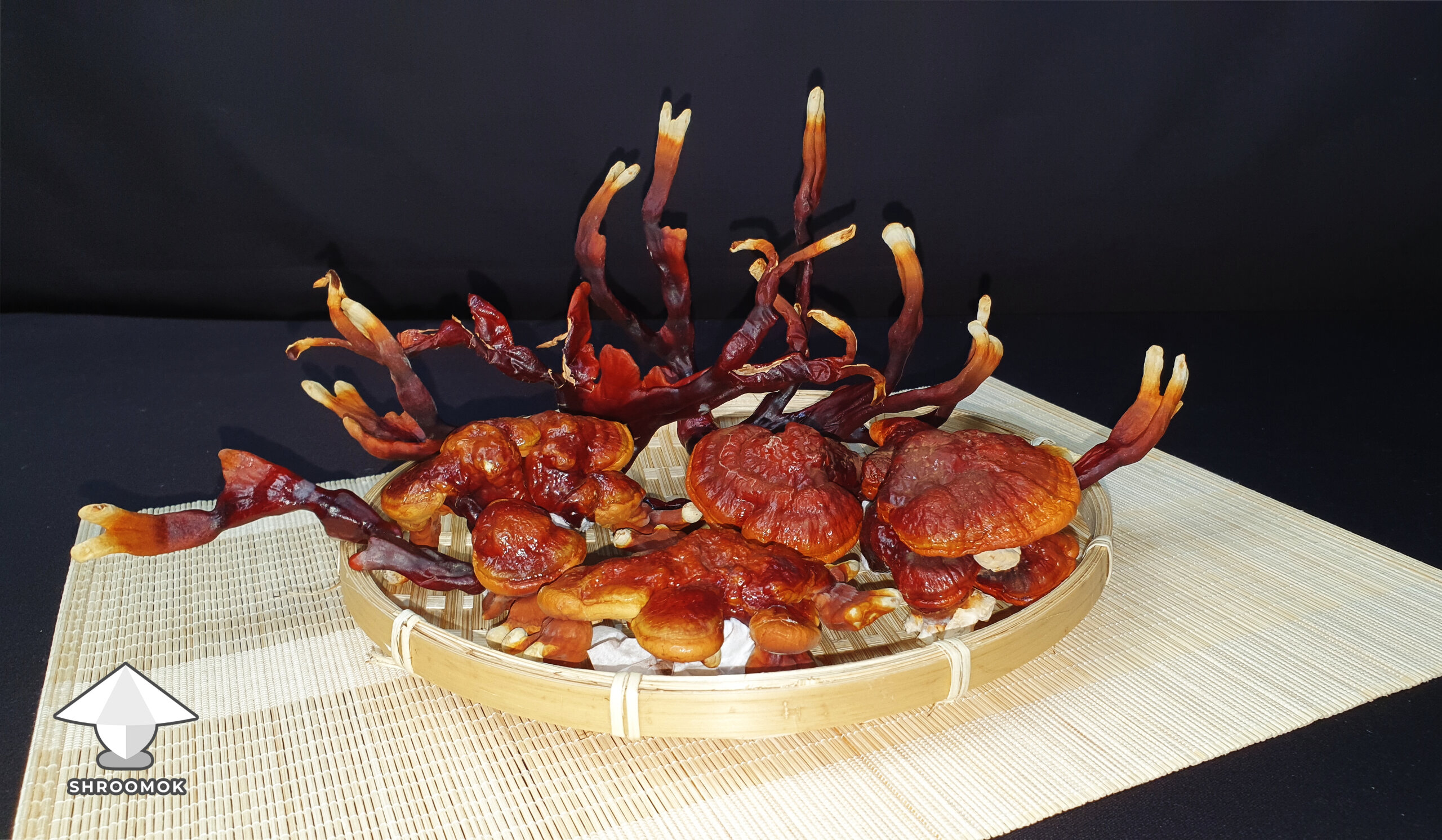
For making reishi tea you can buy dry fruit bodies or use home-grown mushrooms as I do :-)
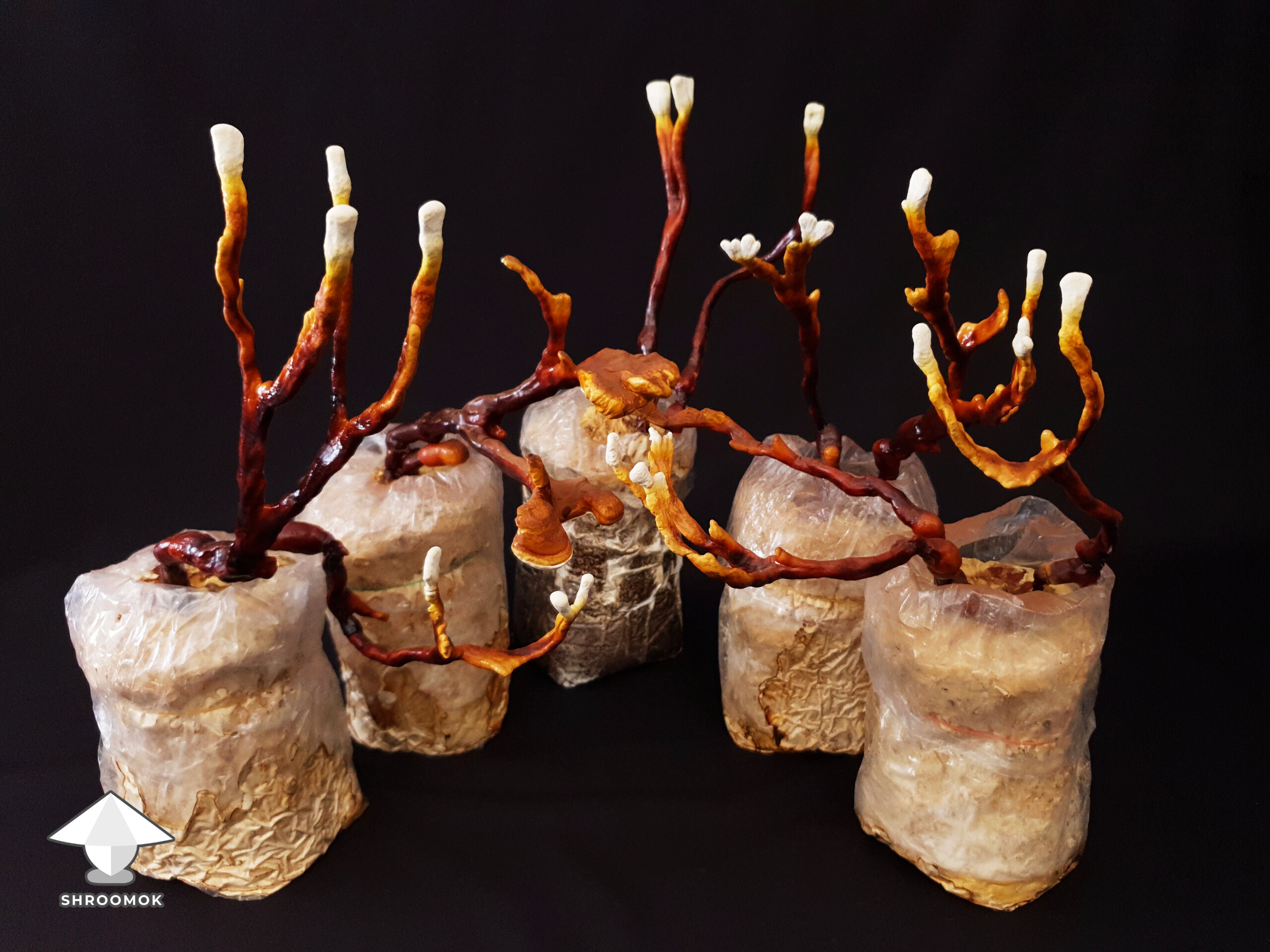
If you’d like to cultivate your own mushrooms check out my Day-to-day Antler Reishi growing diary
Feel free to ask, share your experience or just say something nice on Forum, Discord, Reddit or in comments to this post ⬇️
Have a relaxing tea time ☕️
References
Ganoderma lucidum promotes sleep through a gut microbiota-dependent and serotonin-involved pathway in mice (2021) https://www.nature.com/articles/s41598-021-92913-6
The beneficial effects of Ganoderma lucidum on cardiovascular and metabolic disease risk (2021) https://www.tandfonline.com/doi/full/10.1080/13880209.2021.1969413
Immune modulation from five major mushrooms: application to integrative oncology (2014) https://pmc.ncbi.nlm.nih.gov/articles/PMC4684115/
Recent advances in Ganoderma lucidum polysaccharides: Structures/bioactivities, biosynthesis and regulation (2023) https://www.sciencedirect.com/science/article/abs/pii/S221242922300932X
The anti-fatigue and sleep-aiding effects vary significantly among different recipes containing Ganoderma lucidum extracts (2024) https://pmc.ncbi.nlm.nih.gov/articles/PMC11103526/
Symptom improvements and adverse effects with Reishi mushroom use: A Cross-Sectional survey of cancer patients (2024) https://www.sciencedirect.com/science/article/pii/S2213422024000696
Ganoderma lucidum mushroom for the treatment of cardiovascular risk factors (2015) https://pmc.ncbi.nlm.nih.gov/articles/PMC6486141/


Comments
Add comment